
The Voepass ATR72 Icing Loss of Control Accident: A “Culture of Informality” (Voepass ATR72 PS-VFB)
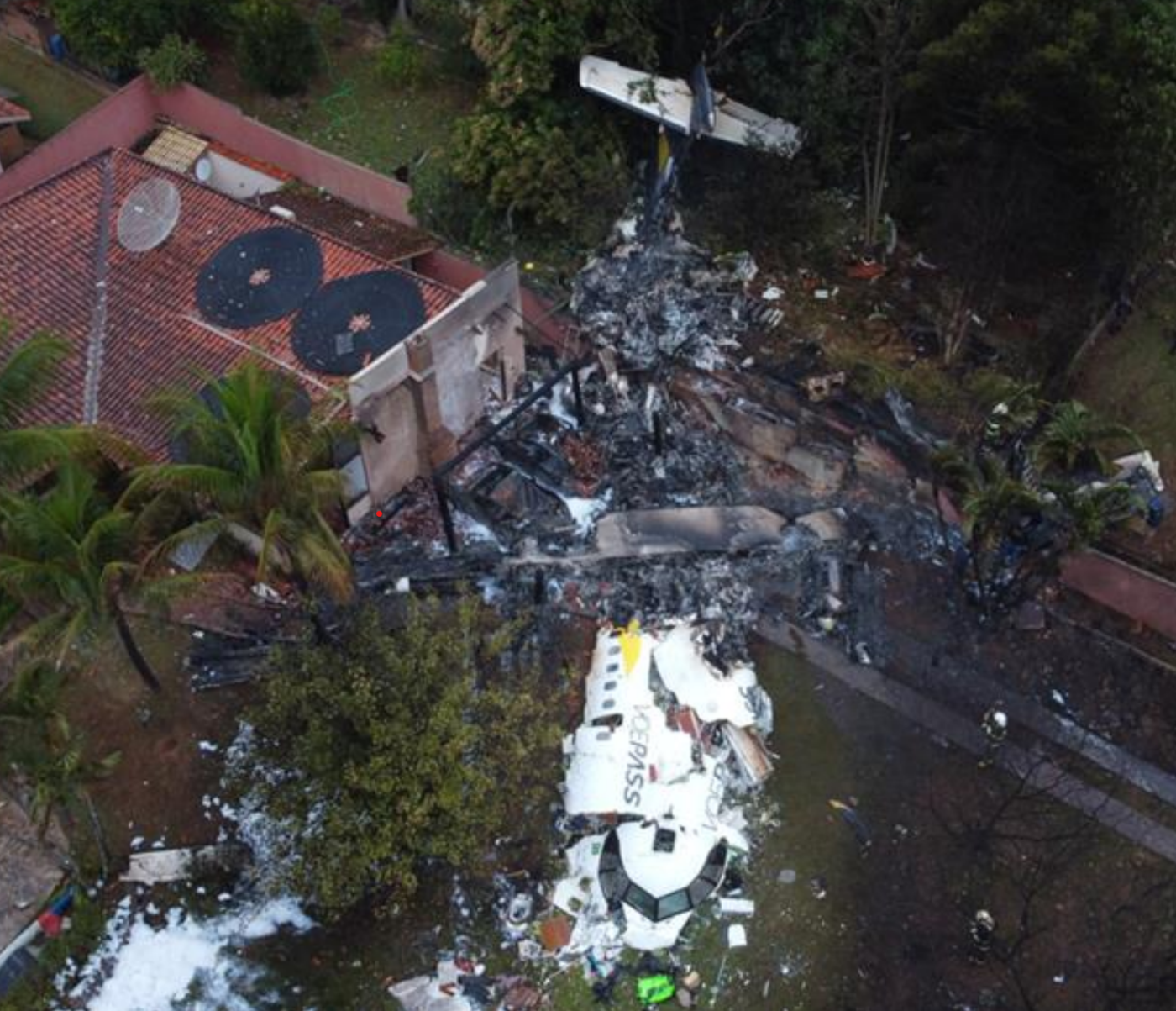
On 9 August 2024 Voepass Linhas Aéreas ATR 72-500 PS-VPB, crashed near Vinhedo, São Paulo. All 58 passengers and 4 crew members died.
The Brazilian accident investigation body, the Center for Investigation and Prevention of Aeronautical Accidents (CENIPA), issued their safety investigation report on 24 July 2026. The accident was classified using the ICAO CAST Common Taxonomy as:
- Icing (ICE)
- System/component failure or malfunction non-powerplant (SCF-NP) and
- Loss of control in flight (LOC-I)
Summary of the Accident Flight
The aircraft had departed with the Airframe De-Icing system inoperative, but without being recorded in the Technical Log or with the restrictions in the Minimum Equipment List (MEL) being implemented.
Severe icing was forecast in the area at 12,000 feet to 21,000 feet. While in the cruise at FL170, the ATR indeed entered severe icing. This led to an excessive ice build-up on critical aircraft surfaces, increased the aerodynamic drag and significantly reduced airspeed. Eight separate “cruise speed low” warnings followed. The aircraft entered a stall, started to descend in an abnormal attitude and, entering a flat spin:
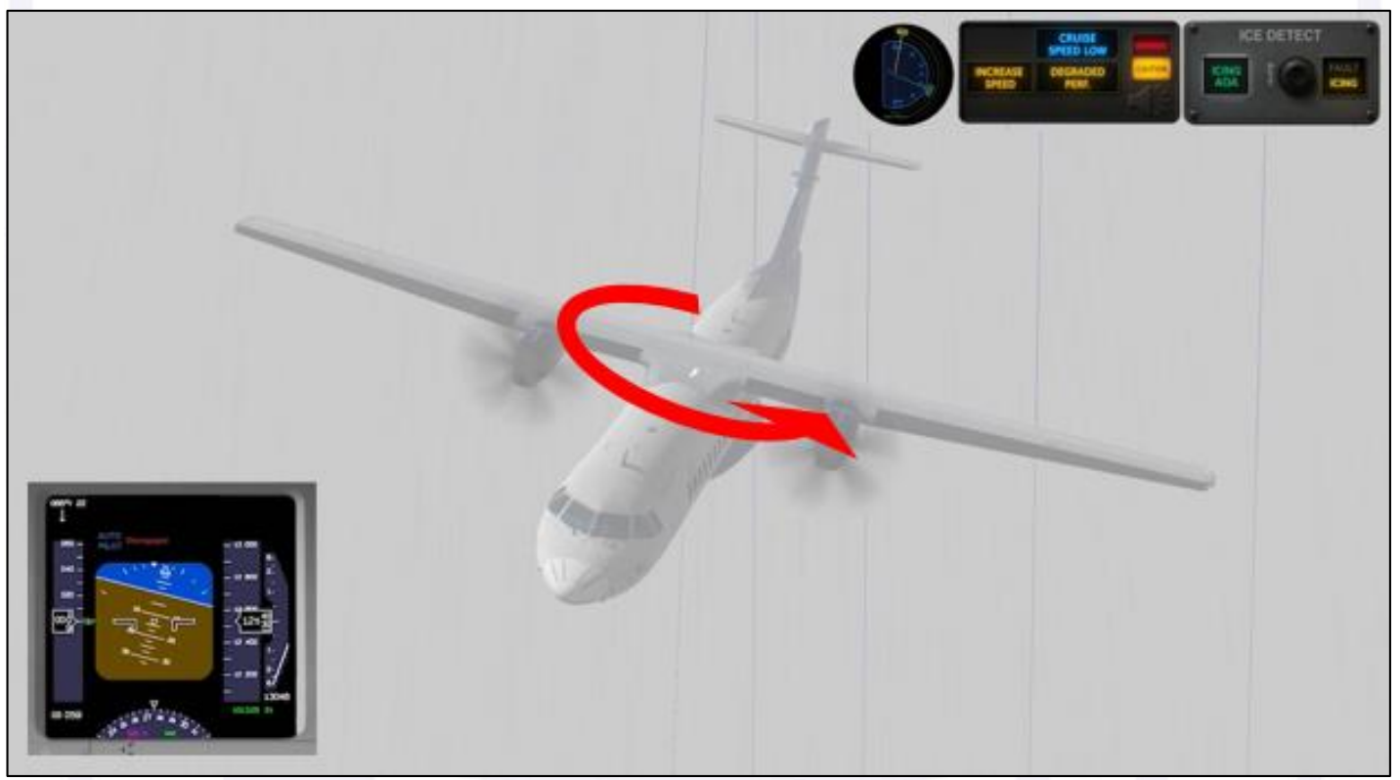
The aircraft established an almost constant rate of descent of approximately 14,000 feet per minute, completing five turns in a spin to the left over an interval of 68 seconds, with pitch variations between + 10° and -62° and left bank angles between 75° and 10° until impact with the ground.
The Cockpit Voice Recorder (CVR) had earlier captured the Aircraft Commander noting de-icing system malfunctions. The Co-Pilot stated at one point that he had forgotten to turn it on. The flight crew had received a “degraded performance” alert, indicating a significant performance degradation (“in the order of 22 % or 28 % of drag increase” say investigators).
This Article
We will focus of a subset of the CENIPA report, focusing more on the continuing airworthiness and wider organisational / cultural issues.
Overview of CENIPA Investigation & Analysis of the Accident Flight
CENIPA postulate that during the flight the pilots suffered ‘inattentional blindness‘ and ‘inattentional deafness’. They say the Aircraft Commander was reportedly experiencing personal difficulties at the time of the accident. The operator had offered the Commander temporary leave but the Commander declined, saying that flying helped keep his mind occupied. However, these personal problems were a source of discussion during the flight with the Co-Pilot. The combination of high workload and this informal cockpit chatter caused them to miss critical warnings.
This ATR’s de-icing system had experienced intermittent malfunctions on numerous prior flights, including its previous flight, also flown by accident crew. For the previous three flights, despite malfunctions being recorded…
…no [documented] record of any malfunction in the Airframe De-Icing system was found, nor any record of dispatch under specific MEL conditions in the aircraft’s Technical Log.
Investigators found that limited maintenance resources, along with pressure to ensure availability, led to poor maintenance standards, with technical faults left deliberately unrecorded and unresolved.
As rain was forecast at the destination, the aircraft should not have departed with a defective windshield wiper system too, though this did not influence the accident. Investigators also found that the left elevator position sensor had previously been installed incorrectly this aircraft. Although this did not directly contribute to the crash, ATR revised the Aircraft Maintenance Manual (AMM) to improve procedures for removing and reinstalling this item.
ATR also subsequently introduced Version 2.0 of their Aircraft Performance Monitoring (APM) software that warns of the risk of performance loss. APM was introduced in 2006 and was made mandatory by EU Aviation Safety Agency (EASA) Airworthiness Directive 2009-0170 in 2009.
APM V2 gives continuous monitoring (not just when icing is detected), has revised minimum speed thresholds for icing conditions and a 60 second persistence for cockpit alerts, eliminating the potential for flickering indications. CENIPA recommended that the EASA collaborate with ATR to review and update “degraded performance” procedures.
CENIPA stated there was insufficient oversight by Brazil’s civil aviation regulator, ANAC.
The Air Operator’s History & Culture
The company formed in 1996 as Passaredo Transportes Aéreos, initially operating Embraer EMB-120 Brasília aircraft.
In 2002, the company suspended its operations due to financial difficulties, remaining inactive for two years. Operations resumed in 2004 under the name Passaredo Linhas Aéreas…
In October 2012, the company filed for judicial reorganization. The process sought to restructure its obligations with creditors while maintaining active operations. In 2014, the reorganization plan was approved…with significant adjustments to its organizational structure. The judicial proceedings extended until 2017…
In 2019 a corporate level merger with MAP Linhas Aéreas, based in Manaus, State of Amazonas, was announced. The airlines continued to operate separately but Passaredo underwent a rebranding to Voepass.
The investigators sought to examine the organisation’s culture and found some positives:
…interviewees presented different perceptions. In general, employees expressed satisfaction with the fact that the company was relatively small, which favored closer interpersonal relationships among personnel and minimized hierarchical barriers. With regard to administrative processes, several positive remarks about the company were reported.
From the perspective of the flight crews, satisfaction was identified regarding the workload, which, according to reports, was lower than that of other companies within the sector and allowed for longer periods with their families. Reports from individuals who felt grateful to the company for the growth opportunities provided and for the support offered in advancing their careers were frequent.
However:
On the other hand, there were also sources of dissatisfaction, namely: delays in the payment of benefits such as meal vouchers; delinquency regarding payments to the Severance Indemnity Fund (FGTS); and the instability of the secondary bases, which, due to the frequent deactivation
and reactivation of their operations, required constant adaptation on the part of employees, generating insecurity among them.…it was reported that, as a consequence of fluctuations in the company’s economic condition, it became necessary to adopt resource saving practices, leading to the acceptance of working conditions that did not necessarily violate regulations, but consistently operated close to the prescribed limits.
Furthermore:
Informality predominated in the interactions among company personnel, permeating different hierarchical levels and sectors. According to reports, while this proximity and informality contributed to a friendly organizational climate, they also created room for improvisation and permissiveness, potentially impacting the flexibilization of rules and the degradation of the flight safety culture.
In other words there was a dangerous combination of informal improvisation, frequent base start-ups and shut-downs and financial instability.
CENIPA confirm that Voepass did have a Safety Management System (SMS) that had been accepted by ANAC, although it is not described in depth in the report.
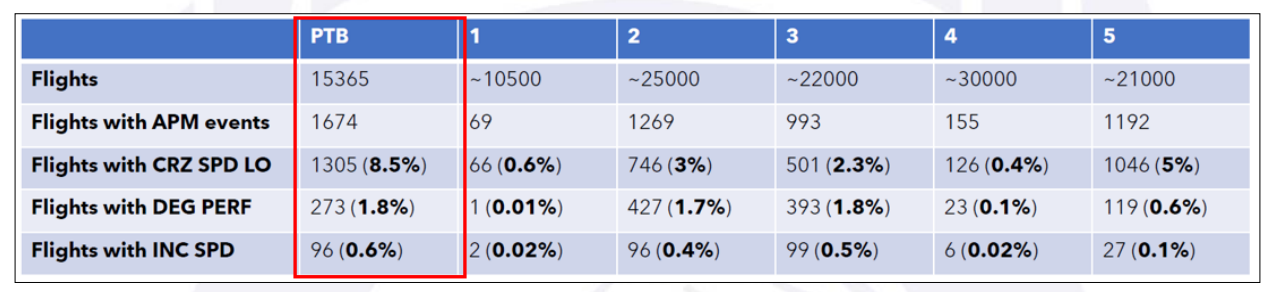
The company also had a Flight Data Monitoring (FDM) capacity, but FDM data was found to be “stored on a computer, with no evidence that the analyses were being conducted in a systematic fashion”. CENIPA decided to examine data from Voepass and 5 other Brazilian ATR operators, examining c124,000 flights:
The analysis of this dataset revealed that [Voepass, marked PTB] presented the highest percentage of occurrences related to APM events (10.9% of total flights), of which 8.5% were associated with the CRUISE SPEED LOW advisory, 1.8% with DEGRADED PERFORMANCE, and 0.6% with INCREASE SPEED, values higher than those observed among the other operators.
The high occurrence rate of the CRUISE SPEED LOW advisory indicated that the company’s aircraft were operating in cruise with indicated airspeeds, on average, between 5 and 10 kt below the theoretical IAS.
Maintenance Organisation Resources & Standards
The investigators discuss hiring of maintenance personnel:
Due to the shortage of aircraft maintenance technicians in the labor market and the high turnover rate among these professionals, the highest qualification levels were often not required during the selection process.
This scenario led to the hiring of mechanics with limited experience and knowledge, and difficulties were at times observed in the performance of their duties, particularly with regard to the use of maintenance manuals, since they were written in English.
Maintenance training (presumably continuation training) was reported to be…
…predominantly outsourced and offered through distance learning (E-learning) programs. Although this arrangement was not inconsistent with the regulations in force at the time of the occurrence, reports indicated that it was insufficient to develop the motor skills and technical proficiency required for the safe execution of specialized tasks.
While those issues, albeit less severe, are not unheard of elsewhere, the investigators say that in addition at Voepass…
…there were instances in which [maintenance] working hours exceeded the prescribed limits, particularly during periods when the fleet was operating under high demand, at times exposing personnel to fatigue [which can] contribute to errors, since it reduces the professional’s state of alertness and concentration on the task being performed.
Particularly during night time periods, there was pressure to expedite aircraft release, which often conflicted with the lack of time available for troubleshooting, performing procedures, and resolving discrepancies reported in the Tech Log.
According to reports, the shortage of qualified technical personnel led to the delegation of critical activities to assistant mechanics, frequently without proper supervision. On several occasions, shift changes took place without a formal briefing.
These practices led to the performance of aircraft part and component removal or installation tasks without the completion of the documentation required at the time the service was carried out, resulting in failures in item traceability and reflecting an organizational characteristic of accepting such risk as operationally normal.
There was not good support from other functions:
…communication between the secondary maintenance bases and the administrative sectors, such as Human Resources, Information Technology, and Finance, was limited, with complaints regarding the lack of responses to basic demands and deficiencies in organizational support.
At some maintenance line stations investigators found…
…situations such as limited resources for the maintenance area, absence of company uniforms for employees, and even restrictions on access to the airport apron due to the lack of airport credentials, which had been denied as a result of outstanding debts with the airport administration.
Aircraft availability was an issue:
…the number of aircraft in the fleet, combined with the company’s operational demand, contributed to situations in which no spare aircraft were available for replacement in the event of an aircraft becoming unavailable, thereby increasing pressure on the maintenance and operational dispatch to ensure service continuity.
This included dubious practices with defects…
…involving the performance of operational tests on systems for the purpose of renewing the MEL time limit for fault correction…were highlighted by employees interviewed during the investigation process. Different interviewees reported that, in some cases, mechanics signed off tasks performed by assistant mechanics even without having directly supervised the execution of those tasks.
There were also reports of recurrent Tech Log entries indicating fault rectification without the corresponding corrective action having been effectively carried out, thereby allowing the aircraft to be released for operation.
…interviewed mechanics reported the existence of a practice whereby an inoperative aircraft component was replaced with another component known to be faulty. After the replacement, the aircraft was released, and during the subsequent flight the same discrepancy would reappear. This conduct allowed the successive renewal of the MEL item [restarting the MEL limit] without the discrepancy having been effectively corrected.
Several flight crew members reported that technical anomalies were handled verbally with maintenance personnel without being officially recorded, with the purpose of avoiding aircraft unavailability, and that, even after repeated reports, the problems persisted.
Complacency, Normalisation of Deviance and Managerial Oversight
CENPIA explain complacency as characterised by “overconfidence, reduced vigilance, and relaxation in relation to established standards”. They say it “frequently arises in highly repetitive environments” with a tendency to “underestimate risks and normalise failures”. They say “managerial oversight plays an essential role in mitigating this risk”.
Proactive, technically competent management that remains closely engaged with operational teams is capable of promptly identifying signs of complacency, intervening through constructive feedback, and continuously reinforcing the importance of adherence to operational procedures. Effective oversight…also strengthens the safety culture…the absence of active oversight…creates fertile ground for complacent behaviors.
CENIPA refer to sociologist Prof Diane Vaughan‘s concept of Normalisation Of Deviance, from her classic book The Challenger Launch Decision. This was the process by which in-service experience, in the case of the NASA Space Shuttle fleet solid rocket booster O-ring deterioration, was rationalised and became accepted as normal via the evolving work group culture, i.e. the ‘production of culture’ (values and norms). Its worth noting a point that many people misunderstand, namely that in Vaughan study it was the O-rings that deviated not the members of the NASA Marshall/Morton Thiokol work group.
The investigators discuss the value of creating a just culture. However they comment that:
It is also important to consider that excessively rigid and punitive oversight may produce contrary effects: professionals may refrain from reporting errors out of fear of sanctions, thereby reducing organizational learning and weakening the operational safety culture.
When properly structured, however, oversight acts as a natural counterbalance to complacency and the resulting normalization of deviance. In highly routine environments marked by automatism, the active presence of management is crucial for detecting signs of professional relaxation and implementing measures aimed at maintaining vigilance at elevated levels.
On the other hand, deficiencies in managerial oversight may reinforce complacency and the normalization of deviance, whether by minimizing recurrent errors or by failing to enforce an adequate accountability system. Environments in which deviations are ignored or treated with indifference ultimately create the perception that risks are acceptable. This dynamic increases the likelihood of an accumulation of latent vulnerabilities that only become evident in the presence of a critical failure.
Regulatory Oversight
In 2025, 8 months after the accident ANAC revoked the company’s AOC. However, investigators noted that an assessment of pre-accident ANAC audits:
…showed a number of findings, considering the VoePass Group (Passaredo and MAP), considerably higher than the combined total for the main RBAC 121 operators, corresponding to 82% of all findings in 2023 and 77% in 2024. It is worth noting that, at the time, the operator represented approximately 0.6% of the Brazilian scheduled air transport network volume.
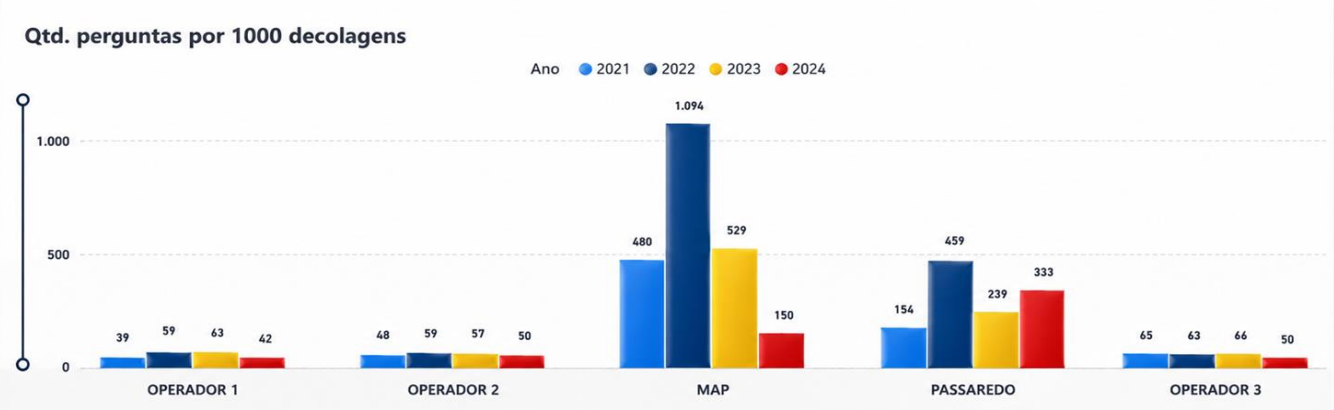
ANAC reports indicated that mechanics were performing activities without consulting technical manuals. At line stations, it was observed that, on certain occasions, maintenance personnel carried out maintenance tasks based on informal communications with more experienced mechanics from the SBRP [Carlos Prates] base [the company’s principal maintenance site].
ANAC found line stations without direct access to maintenance data and lacking some essential tooling. Maintenance tasks were found to have been performed without the supervision of certifying staff. ANAC detected some of the MEL issues described in CENIPA’s interviews. ANAC made multiple findings in relation to the condition of door seals and the anti-icing system.
According to ANAC, “the operator employed practices considered unacceptable with regard to operational safety”, and its continued airworthiness management “was not functioning adequately”, with notes in their records of…
…deficiencies in maintenance oversight and even to the possible absence of such oversight, representing an imminent risk to operational safety…
These findings did result in 46 precautionary ‘suspensions’ of aircraft.
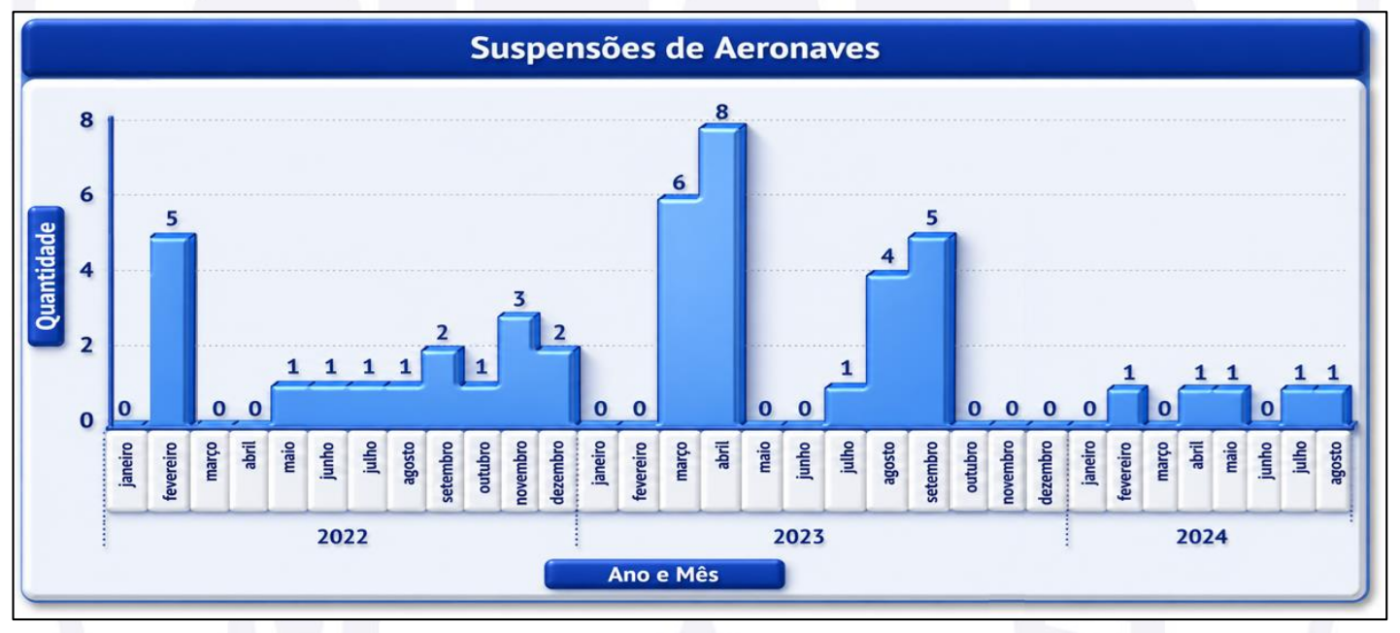
This indicates to us that audits were effective at detecting symptoms but the follow-up process was in-effective, as was the analysis of the systemic risk the airline posed.
CENIPA describe how ANAC assessed the SMS through a PAOE ‘maturity scale’ (PAOE = Present, Adequate, Operational and Effective). Overall Voepass scored 0.71 compared to an average of 0.78 for all Brazilian airlines, not seemingly that far adrift. Based on the evidence above, this suggests that the maturity methodology maybe ineffective.
CENIPA’s Conclusions
Among a number of ‘contributors’ listed in the CENIPA safety investigation report:
Aircraft Maintenance: The absence of formal recording in the Technical Log following the onset of in-flight failures, especially with regard to the malfunction of the Airframe De-Icing system on the flights preceding the accident, prevented the company’s technical and operational sectors from
implementing mitigating measures, such as dispatch under the MEL, aircraft substitution, route re-planning, or even corrective maintenance to resolve the malfunction, thereby contributing to the aircraft operating under meteorological conditions conducive to ice formation with the Airframe De-Icing system inoperative.Workgroup Culture: The frequent occurrence of advisories and alerts, especially those related to the APM system, generated complacency within the company’s pilot group, culminating in reduced vigilance, and relaxation in the face of their high repetitiveness. Within this context, the company’s pilot group tended to underestimate the APM system advisories/alerts, supported by a false sense of safety justified by previous experience in which no consequences had been associated with such actions.
Organisational Culture: The company’s organizational culture of failing to properly address the information made available through the PAADV, as well as failing to use it in risk management and in the adoption of mitigating actions, influenced the behavior of the flight crews with regard to the importance attributed to the aircraft alerts. Thus, the pilots’ decisions during the accident flight were influenced by an organizational context marked by multiple vulnerabilities in the safety culture, in which the acceptance of deviations had become normalized and the aircraft alerts had become trivialized, reducing risk perception.
Organisational processes: The underutilization of the information made available through [FDM], which was frequently neither analysed nor incorporated into risk management, especially information related to performance degradation due to ice accretion, combined with the absence of real time support from the OCC [Operations Control Center] to the pilots regarding meteorological conditions along the route, demonstrated that the organizational processes were not consolidated as effective risk mitigation instruments.
Managerial Oversight: The absence of effective managerial oversight regarding the use of the information made available through the FDM which was not adequately analysed nor incorporated into risk management and the adoption of mitigating actions, especially those related to performance degradation due to ice accretion, evidenced inadequate oversight by the organization’s management of operational planning and execution activities. As a result, more robust preventive measures were not adopted prior to the occurrence, allowing the escalation of risks, contributing to the flight crew adopting a passive posture in response to the alerts, thereby delaying the structured actions prescribed in the operational procedures.
ANAC Actions: The audits and inspections conducted by ANAC on the operator prior to the accident revealed several technical and procedural nonconformities related to aircraft maintenance, component traceability, noncompliance with MEL conditions, and the recurrent practice of
informal reporting or non-reporting of malfunctions.
Among the others were adverse meteorological conditions, attention, attitude, Crew Resource Management (CRM), pilot judgement, perception, flight planning and decision-making process.
CENIPA raised 9 safety recommendations.
Safety Resources
We highly recommend this case study: ‘Beyond SMS’ by Andy Evans (our founder) & John Parker in Flight Safety Foundation, AeroSafety World, May 2008, which discusses the importance of leadership in influencing culture. You may also find these Aerossurance articles of interest:
Questions of Financial Stability: Twin Otter Runway Excursion and Collision with Parked Helicopter
Airworthiness Matters: Next Generation Maintenance Human Factors
Aircraft Maintenance: Going for Gold?
B1900D Emergency Landing: Maintenance Standards & Practices
The Loss of RAF F-35B ZM152: An Organisational Accident
RCAF Production Pressures Compromised Culture
OceanGate Titan: Toxic Culture & Fatal Hubris
How To Develop Your Organisation’s Safety Culture
How To Destroy Your Organisation’s Safety Culture
NASA Challenger Launch Decision