Brake Failure Causes PA-31 Runway Excursion During Taxi
22 September 2021
Brake Failure Causes PA-31 Runway Excursion During Taxi (PR-RCS)
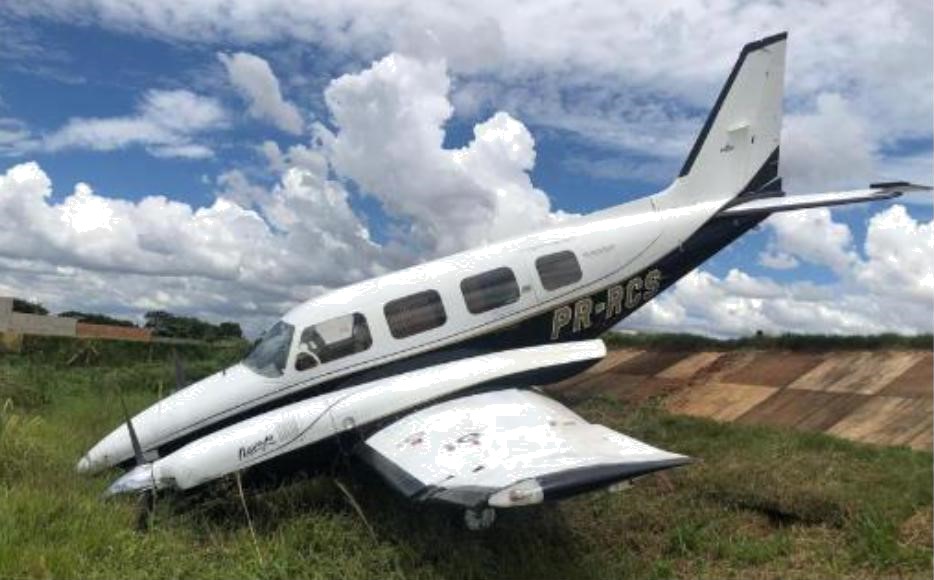
On 22 February 2019 privately owned PiperPA-31-325 NavajoPR-RCS suffered a runway excursion when taxiing to the end of the runway at Londrina-14 Bis Airport in Brazil for what was to be its first flight in 7 months. The aircraft suffered substantial damage. The pilot, the sole occupant, as unharmed.
Wreckage of Piper PA-31 PR-RCS at Londrina-14 Bis Airport (Credit: CNEIPA)
The Accident
The Brazilian accident investigation agency CENIPA issued their safety investigation report in Portuguese (only) on 21 July 2021. They explain that while some inspections and engine runs had been conducted prior to the return to service, there was no evidence in the maintenance records of any storage checks having been carried out. When the aircraft taxied out for take off…
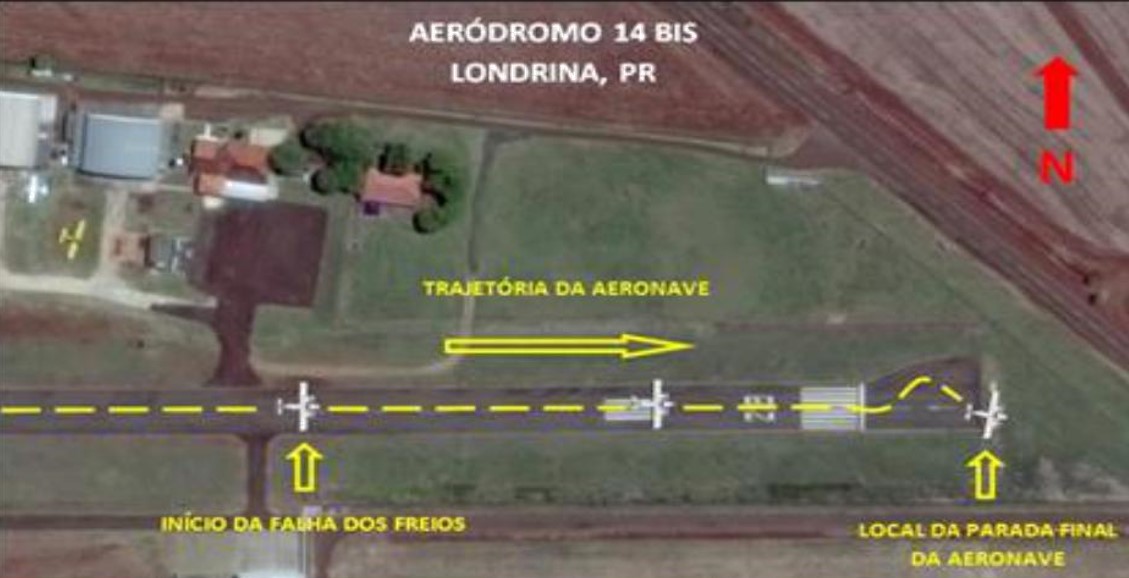
…about 300 meters from the threshold and with the aircraft at reduced speed, braking was started, which occurred normally up to 150 meters before the threshold, when the right brake began to show abnormalities. When trying to stop the aircraft, the right brake failed and the aircraft left the runway, falling into a ravine.
Path of Piper PA-31 PR-RCS at Londrina-14 Bis Airport (Credit: CNEIPA)
CENIPA Safety Investigation
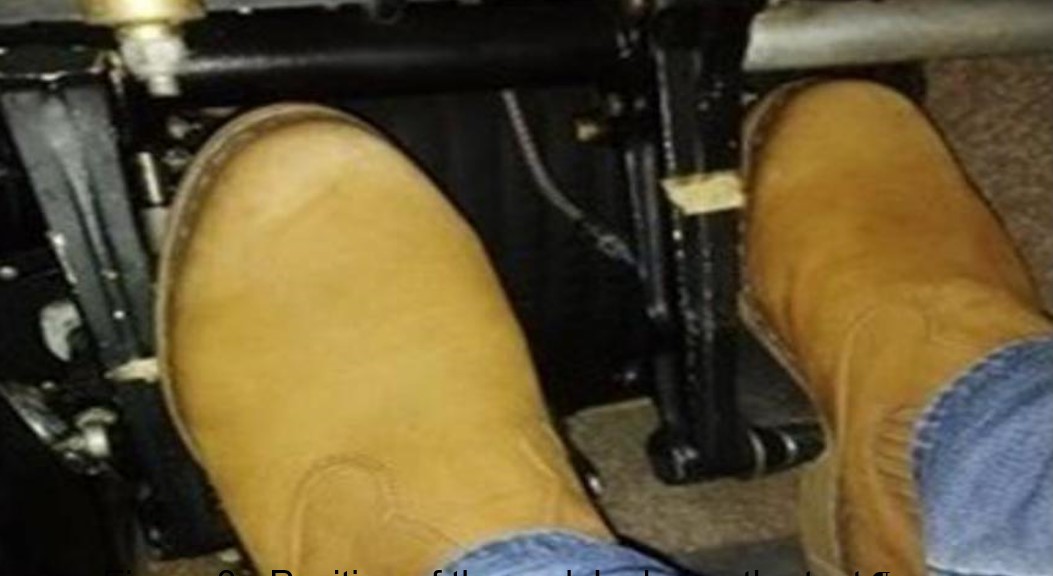
In order to identify possible abnormalities in the braking system, some functional tests were carried out. Repeated movements were applied to the pedals of the pilot and co-pilot brakes of the right and left wheels of the main landing gear in order to pressurize the system and then a continuous force was applied. Seconds later, it was observed that the copilot’s right pedal began to give way, remaining a few centimeters in front of the left one ,
Position of the pedals during the test – Piper PA-31 PR-RCS (Credit: CNEIPA)
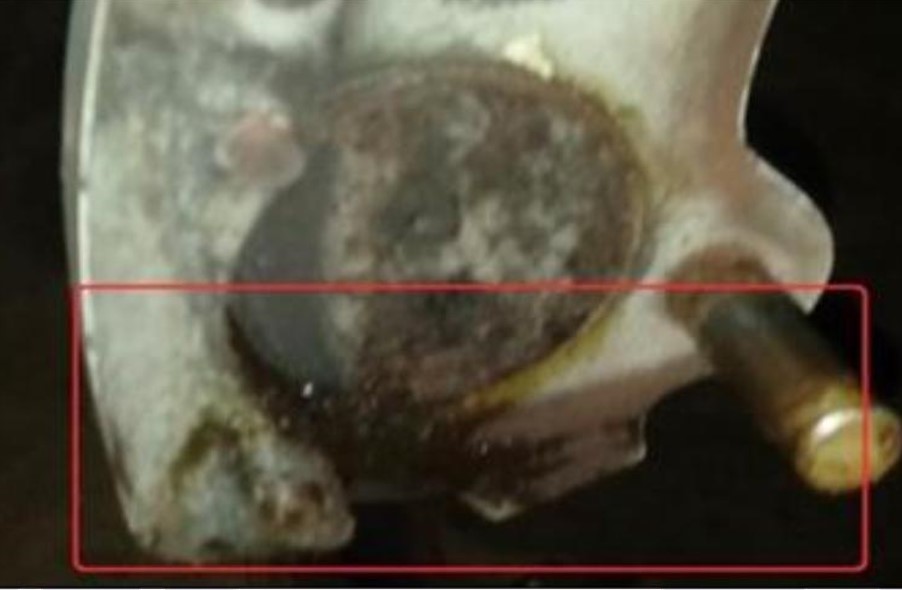
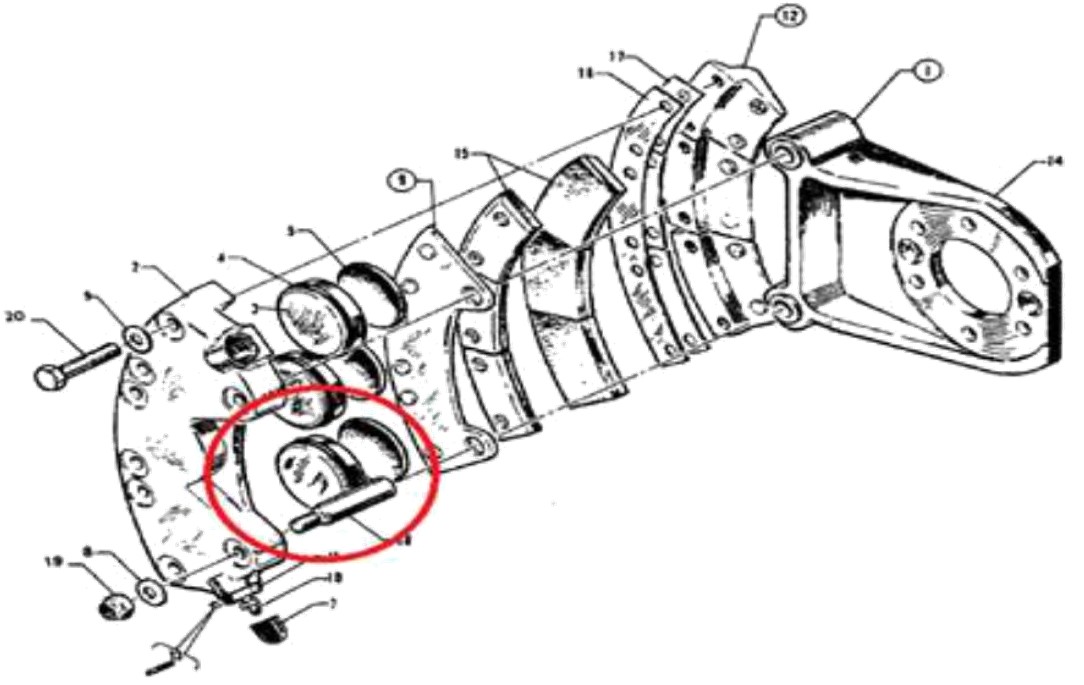
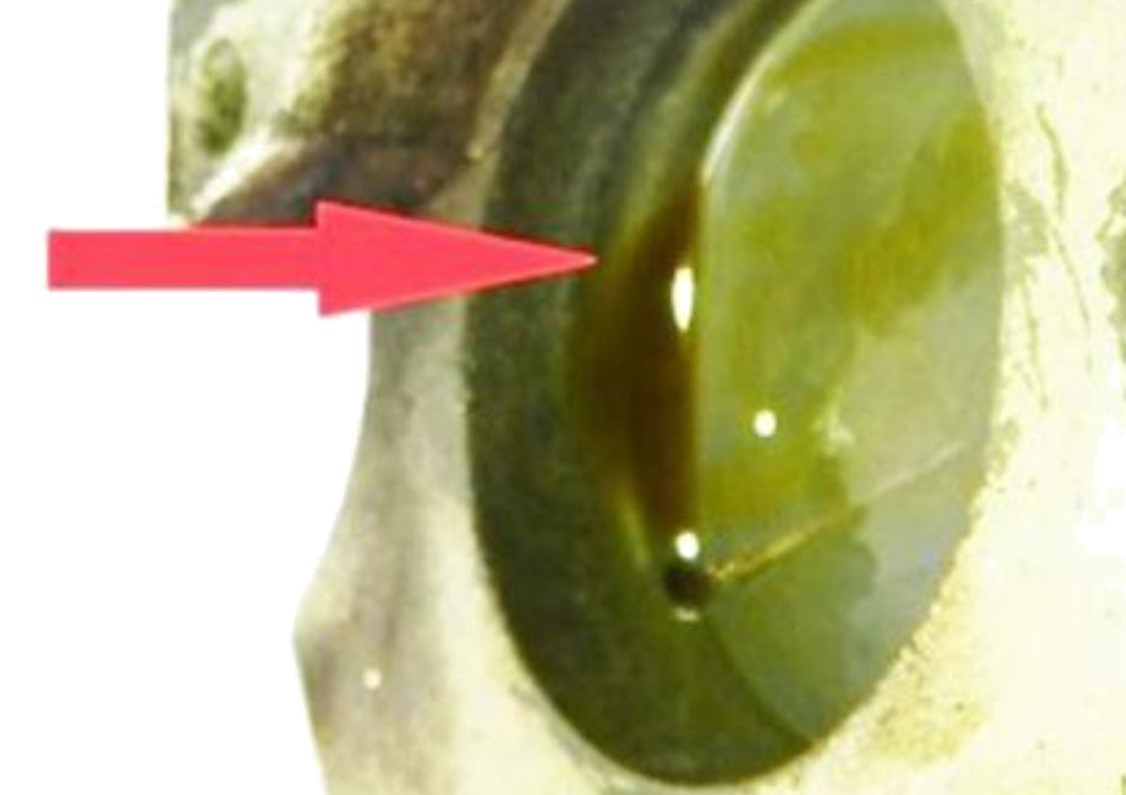
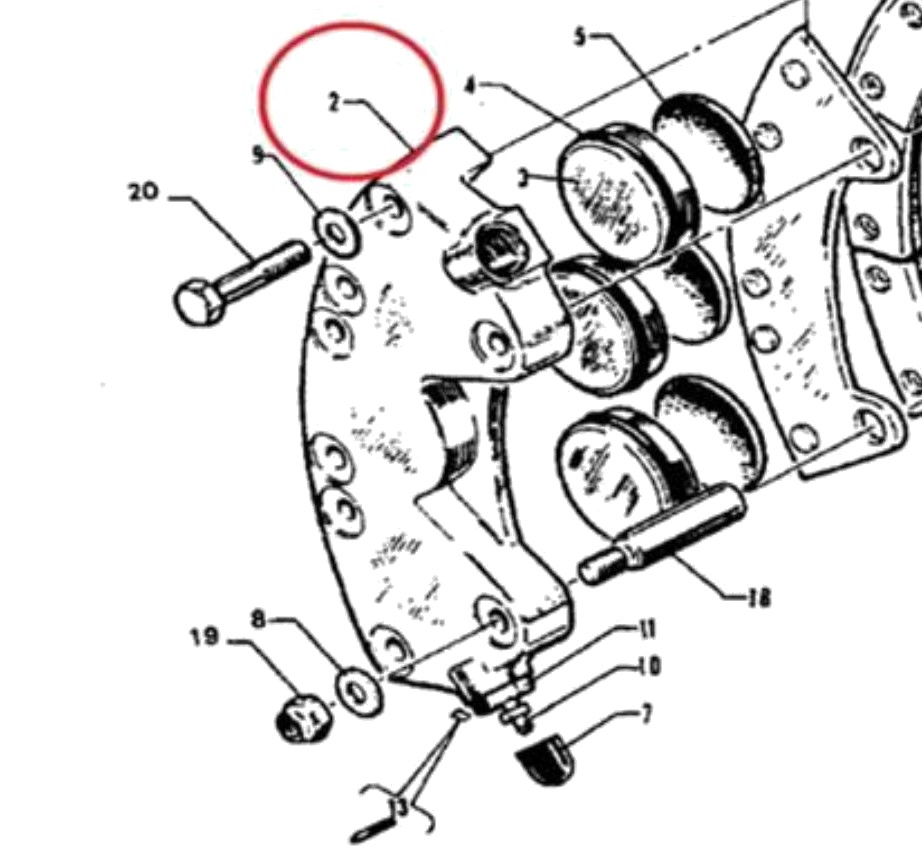
As a result, a visual inspection was carried out on the aircraft’s brake system, in order to detect possible brake fluid leaks, when a leak was found in the set of brakes on the right wheel. Thus, the right brake assembly brake piston assembly, PN 551 719 (Piper Parts Catalog, PA-31-325, Section IV, page 1J8, fig. 41, item 1) was removed [and] it was found that there was a leak in the lower piston, PN 755 838, piston (Piper Parts Catalog, PA-31-325, Section IV, page 1J8, fig. 41, item 3).
Lower piston, highlighting the oil leak – Piper PA-31 PR-RCS (Credit: CNEIPA)Positioning of the piston that showed leakage – Piper PA-31 PR-RCS (Credit: Piper via CNEIPA)
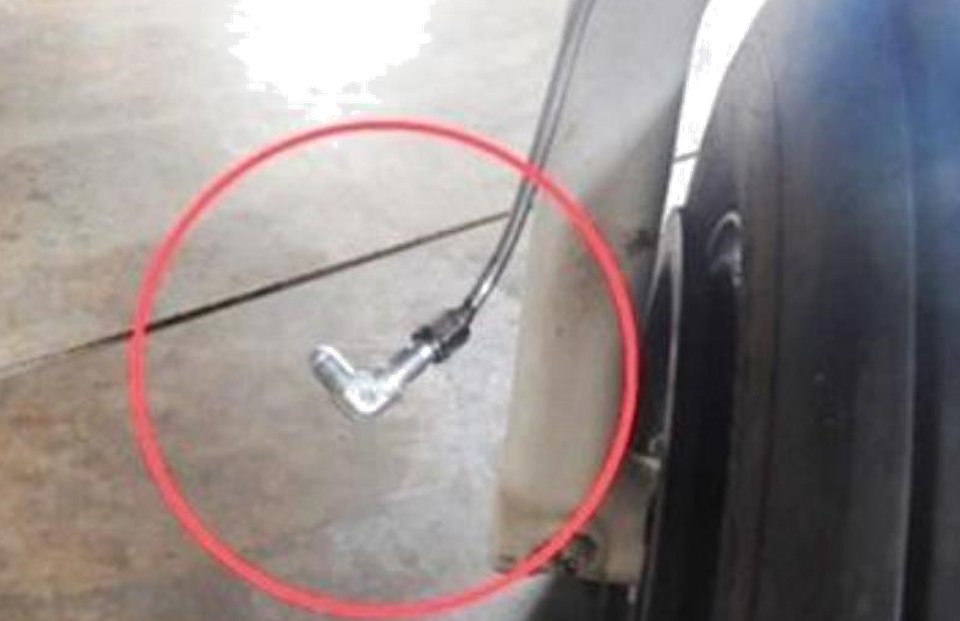
The set of right brake pistons, brake assembly, PN 551 719, was removed and the pressure line to that set was plugged.
Insulation of the pressure line of the right brake assembly – Piper PA-31 PR-RCS (Credit: CNEIPA)
Then, the brake activation test was performed. Again, repeated movements were performed on the pilot and co-pilot pedals of the right and left wheels of the main landing gear, followed by a continuous force. However, both the pilot and co-pilot pedals remained in the same position, thus eliminating the possibility of another system leak.
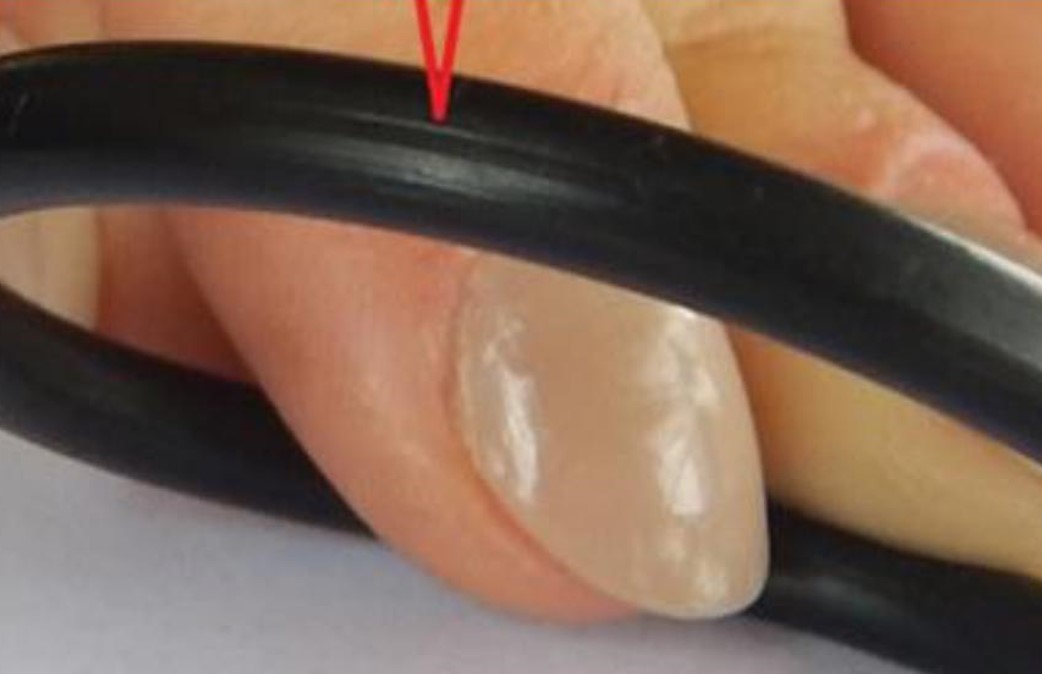
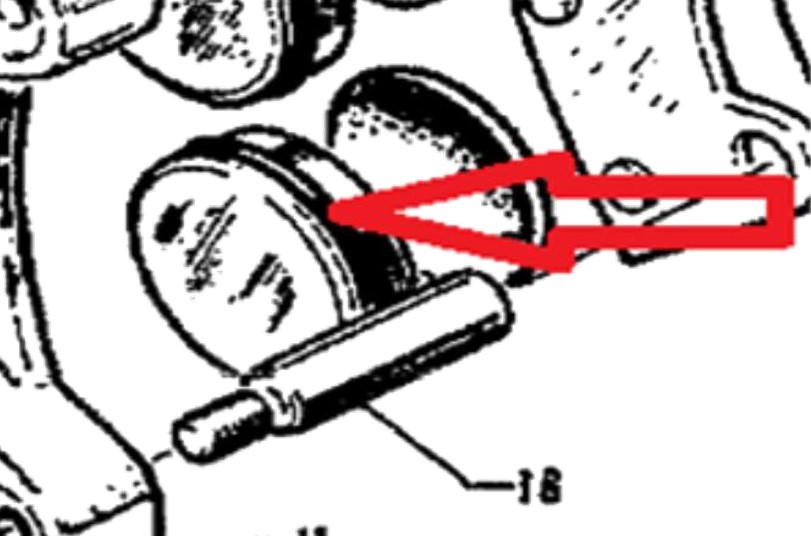
Then, the set of right brake pistons, brake assembly, PN 551 719, was disassembled, when it was found that there were signs of wear (grooves) in the gasket PN 755 838, O ring (Piper Parts Catalog, PA-31-325 , Section IV, page 1J8 fig. 41, item 4).
Gasket highlighting signs of wear – Piper PA-31 PR-RCS (Credit: CNEIPA)Position of the worn gasket in the brake system – Piper PA-31 PR-RCS (Credit: CNEIPA)
Wear was found on the inside of the lower piston housing, PN 753 968, cylinder – brake (Piper Parts Catalog, PA-31-325, Section IV, page 1J8, fig. 41, item 2).
Signs of wear on the piston housing – Piper PA-31 PR-RCS (Credit: CNEIPA)Location of piston housing – Piper PA-31 PR-RCS (Credit: CNEIPA)
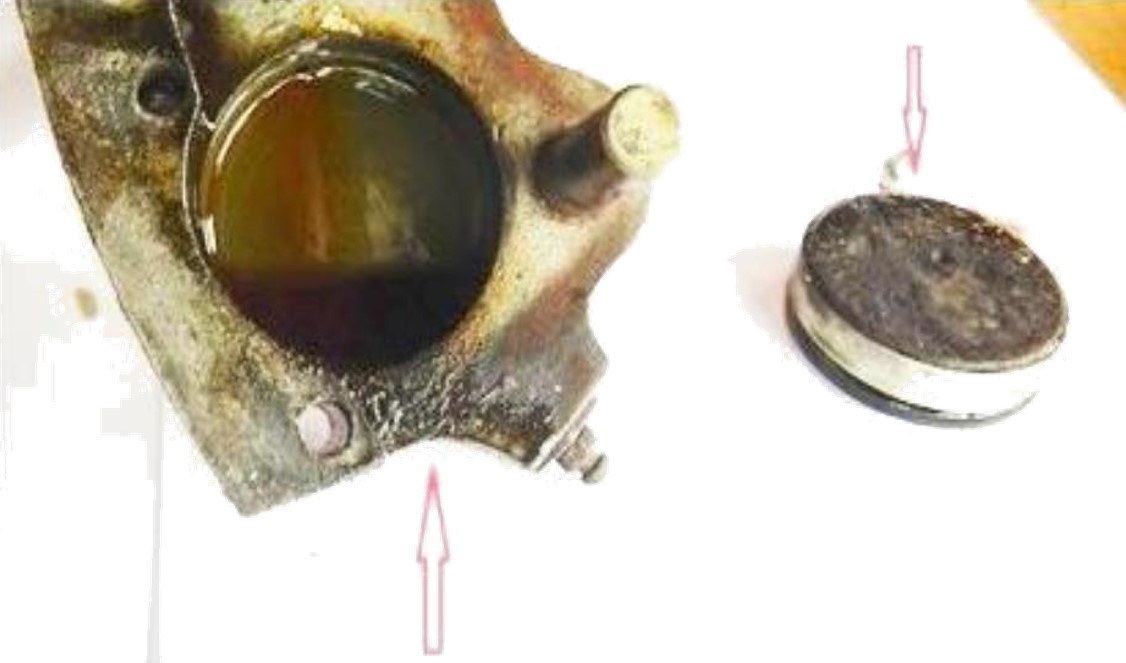
There was dirt accumulation on the oil at the bottom of the right brake piston assembly, brake assembly, PN 551 719 (Piper Parts Catalog, PA-31-325, Section IV, page 1J8, fig. 41, item 1).
Right brake piston and housing with dirt and oil accumulation – Piper PA-31 PR-RCS (Credit: CNEIPA)
CENIPA Conclusions
CENIPA determined that “the wear of the gasket and piston housing, and the accumulation of dirt and oil in the housing and lower piston of the right brake assembly” all “contributed to the leakage of fluid in the brake assembly of the wheel of the right landing gear”. They comment that “as the aircraft had only seven hours of flight after [its last] inspection, it is possible that the failure to actuate the right brake was due to inadequate preventive maintenance services performed on the aircraft during the said maintenance.”
Our Observation
While this event occurred pre-COVID it’s a good reminder on the importance of storage and post-storage checks.
Aerossurance has extensive air safety, operations, SAR, airworthiness, human factors, aviation regulation and safety analysis experience. For practical aviation advice you can trust, contact us at: enquiries@aerossurance.com