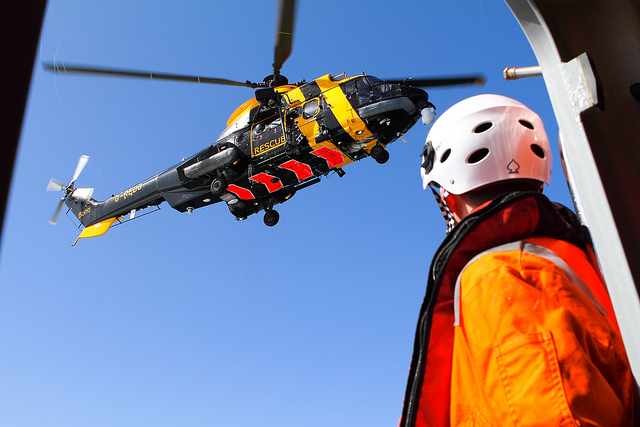
S-92A Nose Landing Gear Incident – Aberdeen 29 July 2014
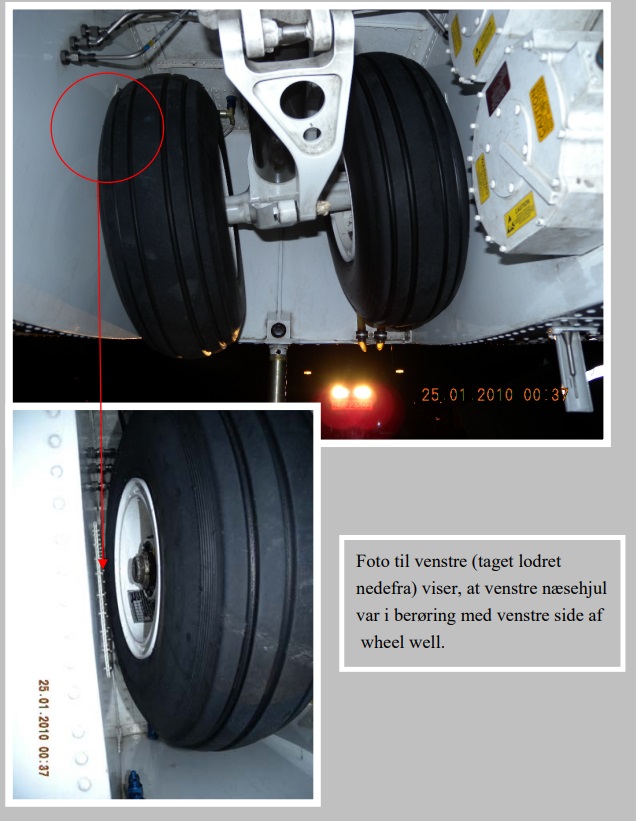
A minor landing gear incident on a CHC Sikorsky S-92A at Aberdeen Airport in Scotland has attracted press interest.
S-92A Nose Landing Gear Incident – Aberdeen 29 July 2014 Read Post »
A minor landing gear incident on a CHC Sikorsky S-92A at Aberdeen Airport in Scotland has attracted press interest.
S-92A Nose Landing Gear Incident – Aberdeen 29 July 2014 Read Post »
Living Near Zero – New Challenges for Air Safety Between 17 July 2014 and 24 July 2014 the aviation industry has been rocked by three loses of commercial passenger aircraft and 462 lives: 17 July 2014 Malaysia Airlines Boeing 777-200ER 9M-MRD (flight MH17) overflying Ukraine after what appears to have been a surface to air missile attack (see Aviation
Living Near Zero – New Challenges for Air Safety Read Post »
A Canadian R44 breaks up in flight after erratic flying by an inebriated pilot. An unusual accident with important lessons on pilot supervision, flight following and emergency location.
R44 Oil & Gas Accident – Alcohol, Flight Following, ELTs Read Post »
Technology Friend or Foe – Automation in Offshore Helicopter Operations In London 3-4 July 2014 the Royal Aeronautical Society held a landmark conference on the introduction of automation to offshore helicopters titled: Technology: Friend or Foe? This RAeS conference was triggered by: a CFIT accident on approach to Sumburgh airport in August 2013 (AS332L2 G-WNSB), the issue, a few
Technology Friend or Foe – Automation in Offshore Helicopter Operations Read Post »
19 July 1989: Sioux City On 19 July 1989, United Airlines Flight 232, McDonnell Douglas DC-10 N1819U, en-route from Denver to Chicago, suffered an uncontained failure of the number 2 General Electric CF6 engine’s fan disc. This resulted in crippling damage to the aircraft’s hydraulics and flight controls. The crew under Captain Al Haynes managed to control the
19 July 1989: Sioux City Read Post »
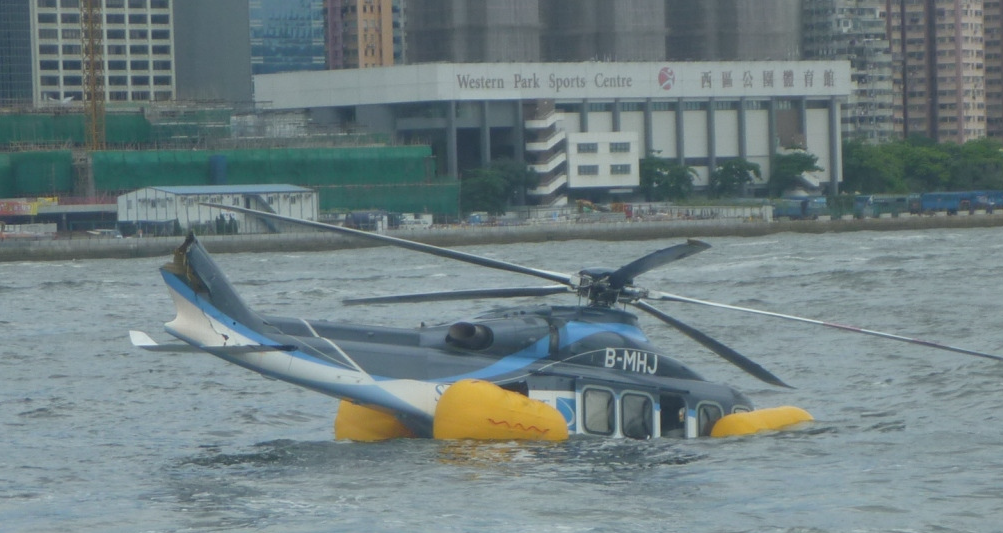
Hong Kong Harbour AW139 Ditching – HKCAD Report Issued The Hong Kong Civil Aviation Department (HKCAD) have issued their report into the ditching of AgustaWestland AW139, B-MHJ, operated by Macau based East Asia Airlines Limited (trading as SkyShuttle), in Hong Kong’s Victoria Harbour on 3 July 2010. From the synopsis: The helicopter took off from Sheung
Hong Kong Harbour AW139 Ditching – HKCAD Report Issued Read Post »
AW189 Progress Bristow expect to commence revenue flying in Norwich with the AgustaWestland AW189 during July 2014 according to Bristow VP Operations and Managing Director of Bristow Helicopters Limited, Mike Imlach, quoted by Aviation Week & Space Technology. UPDATE: Later on the 17 July 2014, Bristow issued the following press statement: Bristow announced today that it has
The UK Marine Accident Investigation Branch (MAIB) reported on the fatal crushing injury to an able seaman on British registered ro-ro cargo ship, Tyrusland in Tripoli, Libya on 15 May 2013.
Audits Highlighted Risk Assessment Weaknesses Prior to Ro-Ro Fatality Read Post »
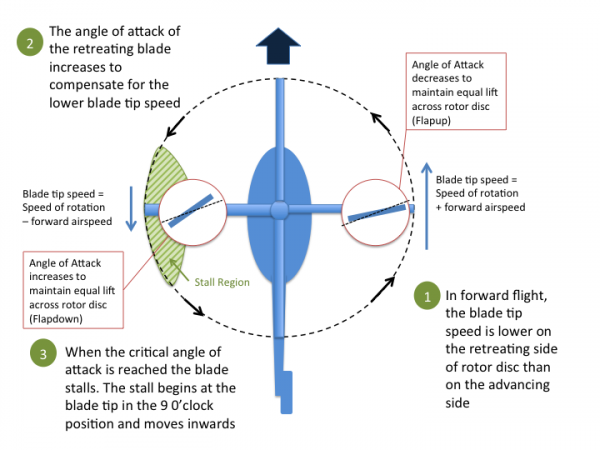
During a patient transfer in Australia, HEMS BK117B2 dropped 4,000 ft after a loss of control in the cruise.
Retreating Blade Stall Incident: HEMS BK117B2 VH-VSA Read Post »
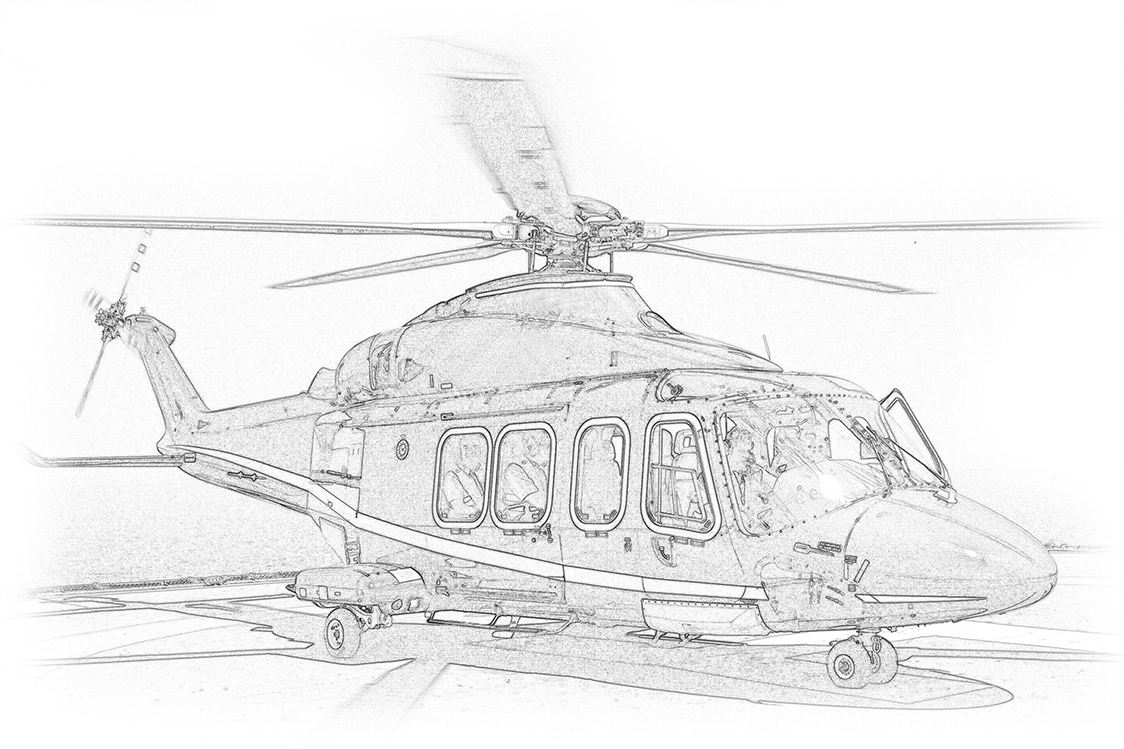
AW139 Global Fleet Passes 1 Million Hour Milestone AgustaWestland has announced that its popular medium helicopter, the AW139, has now achieved 1 million hours of service experience since it entered service in 2003. The AW139 fleet leader has now flown more than 9,300 hours, so another milestone is likely to be passed this autumn. AW reports that 650
AW139 Global Fleet Passes 1 Million Hour Milestone Read Post »
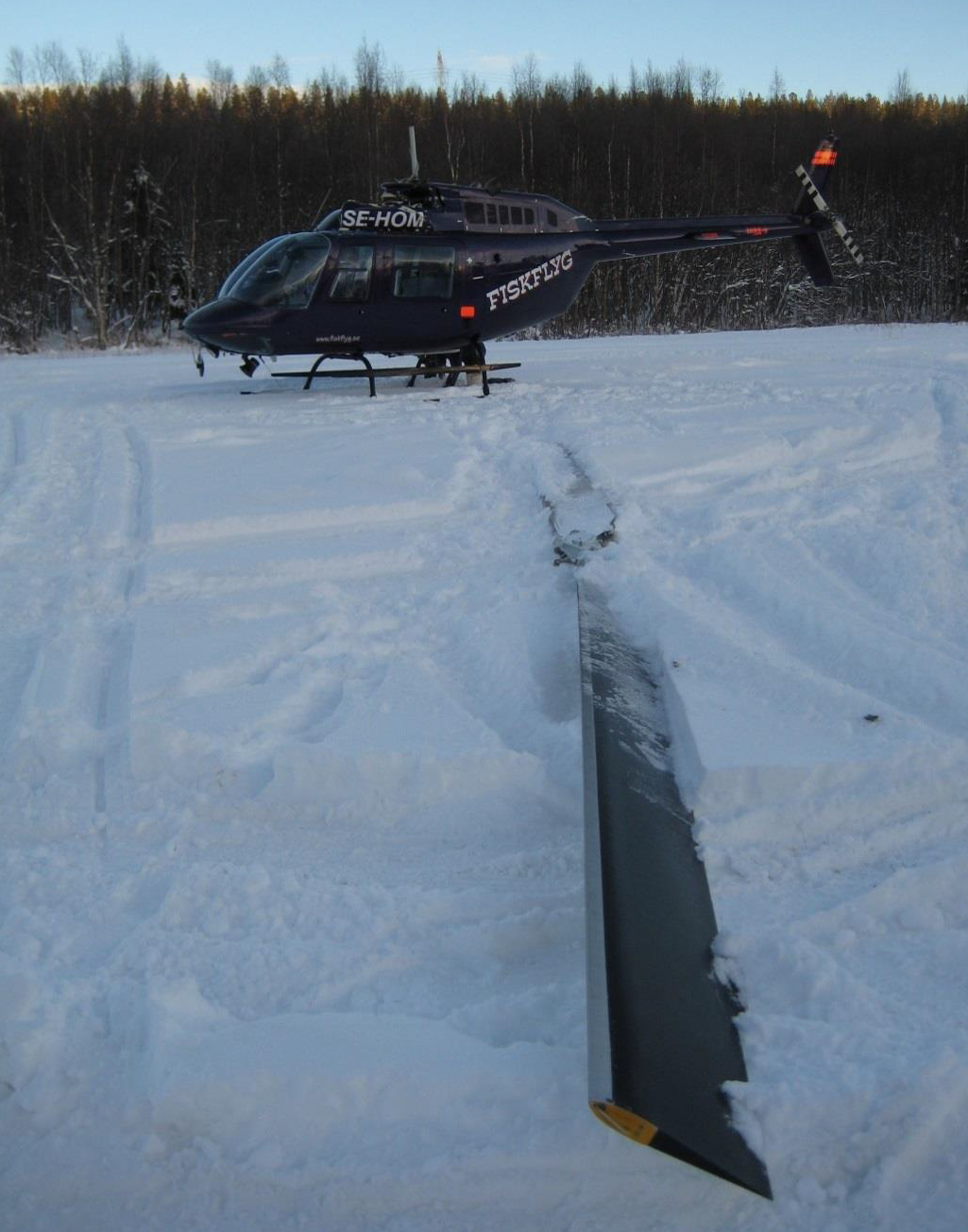
B206B Freewheel Accidents in Sweden & Canada Bell 206B registration SE-HOM, operated by Fiskflyg, was engaged in a periodic Operator Proficiency Check in the vicinity of Porjus in Sweden on 8 November 2012, when an accident occurred. The Swedish Accident Investigation Board (Statens Haverikommission [SHK]) published their final report on 3 July 2014. They reported: Shortly after touchdown
B206B Freewheel Accidents in Sweden & Canada Read Post »
Deployable Flight Data Recorders The Flight Safety Foundation (FSF) has come out in favour of deployable Flight Data Recorders (FDRs), i.e. a means to deploy a floating capsule containing an FDR from an aircraft with its own Emergency Locator Transmitter. This would then preserve the flight data and provide an automatic ELT independent of the aircraft. The International Civil Aviation Organization (ICAO) is
Deployable Flight Data Recorders Read Post »
The published at 00.01 am on Tuesday 8 July 2014. In its conclusions the committee say: Helicopter transfer across the North Sea has inherent risks but remains the most practical mode of transport for the offshore oil and gas industry. Five accidents since 2009 have led to a loss of confidence from the offshore work
House of Commons Transport Committee Offshore Helicopter Safety Report Read Post »
Increasing SAR Use by the Oil & Gas Industry The oil and gas industry is increasingly contracting commercial Search & Rescue (SAR) helicopters to support offshore exploration work and support offshore safety cases. For example, commercial operator Bristow has provided a SAR service in the UK since 1971 (for both government and oil and gas customers) that
Increasing SAR Use by the Oil & Gas Industry Read Post »
A new organisational structure for the European Aviation Safety Agency (EASA) has been announced and can be found here. This reorganisation follows a decision of the Management Board in May 2014, and follows an extensive consultation, known as the Article 62 review. In the introduction to the paper to the Management Board, a governance body chaired
New EASA Structure Read Post »
In a bizarre rail accident, three Boeing 737 fuselages, being transported from the Spirit AeroSystems Wichita factory to the Boeing assembly line in Seattle, were left at the bottom of a ravine in Montana on 4 July 2014.
737s in Montana Rail Ravine Plunge Read Post »
A patient ” jumped out of an emergency exit/window at a height of 2,000 feet”.
Offshore Passenger Fatality 2 July 2014: CHC Medevac Norway Read Post »
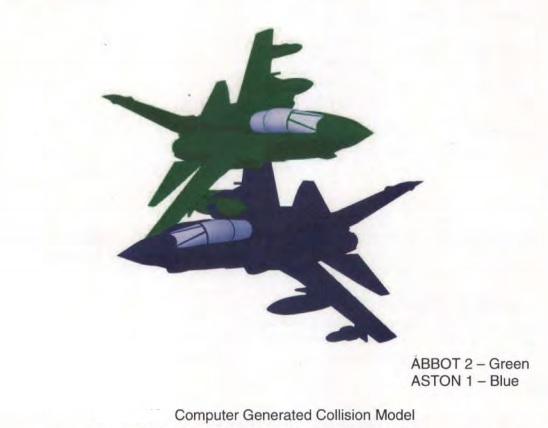
Military Mid Air Collisions One recent accident in Germany and the release of a Service Inquiry into a UK Mid Air Collision (MAC) highlight the importance of managing MAC risk. The UK Military Aviation Authority (MAA) consider MAC to be one of the highest risk hazards in military aviation (as discussed in para 5a of their
Military Mid Air Collisions Read Post »
OPITO Compressed Air Emergency Breathing System (CA-EBS) Initial Deployment Training Standard OPITO has issued a standard for Compressed Air Emergency Breathing System (CA-EBS) Initial Deployment Training, to support the initial introduction of Category A Emergency Breathing System (EBS) following the a UK Civil Aviation Authority (CAA) Review, which resulted in the CAP1145 report. To successfully complete this 1.5 hour ‘dry’ training,
While supporting reindeer herding this EC120 started to do an USL/HESLO task, but the load dragged along the ground…
EC120 Underslung Load Accident 26 September 2013 – Report Read Post »
Sir Robert Francis QC is to chair an independent review into creating an open and honest reporting culture in the National Health Service (NHS). It has been announced that the review will: …provide independent advice and recommendations to ensure that: NHS workers can raise concerns in the public interest with confidence that they will not
‘Freedom to speak up?’ in the NHS: independent review Read Post »
Four 2014 Helicopter Accidents (Australia, Norway & Alaska) Alaska (1): R44 N392GP On 28 May 2014, piston engined Robinson R44 helicopter N392GP, operated by survey company Global Positioning Services Inc, crashed while conducting underslung (HESLO) load training at Chugiak, Alaska. The pilot was the sole person on-board and died in the accident. The National Transportation
Four 2014 Helicopter Accidents (Australia, Norway & Alaska) Read Post »
There are a host of human factors, automation, crashworthiness, survivability and emergency response lessons from this 2013 accident.
Asiana B777 Accident at SFO 6 July 2013 Read Post »
Misjudgement during abrupt helicopter manoeuvring (AS350B3 LN-OVO) The Accident Investigation Board Norway (the Statens Havarikommisjon for Transport) has issued its report into an accident that occurred to Airbus Helicopters AS350B3, LN-OVO, operated by Fonnafly AS, on 27 April 2013. Their report is in Norwegian only. The helicopter was being used to transport personnel participating in the Røldal
Misjudgement during abrupt helicopter maneuvering Read Post »
737 Descent below Instrument Approach Minima – HF Lessons Human factors are discussed in the report into an incident in New Zealand. Using the autopilot, the aircraft descended on the glideslope but at decision height (200 feet Above Ground Level) the aircraft was still in cloud and the runway or approach lights were not visible. The
737 Descent Below Instrument Approach Minima – HF Lessons Read Post »