Roselawn Accident: ATR72 N401AM 31 October 1994
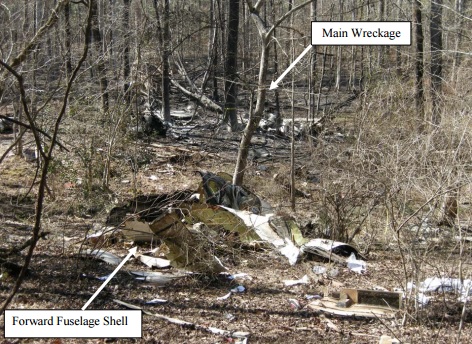
On 31 Oct 1994 68 people died when an American Eagle ATR72 crashed due to a LOC-I after icing while holding.
Roselawn Accident: ATR72 N401AM 31 October 1994 Read Post »
On 31 Oct 1994 68 people died when an American Eagle ATR72 crashed due to a LOC-I after icing while holding.
Roselawn Accident: ATR72 N401AM 31 October 1994 Read Post »
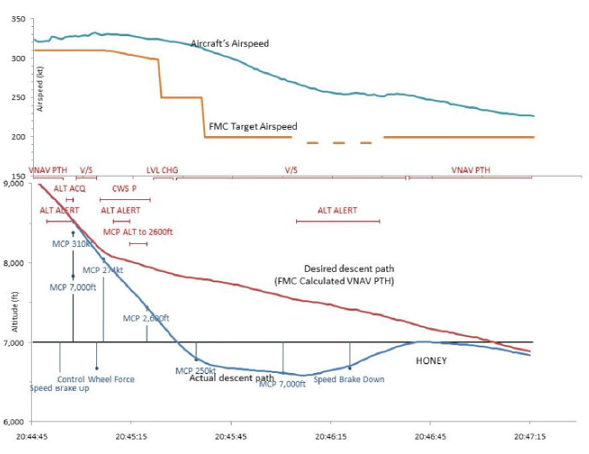
Boeing 737 Automation Related Descent Below Cleared Altitude – ATSB Report The Australian Transport Safety Bureau (ATSB) has issued a report on an automation related occurrence: On 17 October 2012, a Boeing 737-838 aircraft, registered VH-VXB and operated by Qantas Airways Limited (Qantas), was conducting a flight from Adelaide, South Australia to Canberra, Australian Capital Territory…
Boeing 737 Automation Related Descent Below Cleared Altitude – ATSB Report Read Post »

EASA HUMS / VHM Research Developments The European Aviation Safety Agency (EASA) has been funding some innovative research into Health and Usage Monitoring Systems (HUMS) / Vibration Health Monitoring (VHM). EASA.2012.OP.13 VHM Recently, Cranfield University‘s Matt Greaves presented to the International Society of Air Safety Investigators (ISASI) annual conference on one EASA research project (EASA.2012.OP.13 VHM). His paper
EASA HUMS Research Developments Read Post »
US Vehicle Regulator in Firing Line The US National Highway Traffic Safety Administration (NHTSA) has been criticized by politicians and safety advocates this week for its handling of critical safety defects with the air bags on millions of vehicles. It is reported that: The faulty air bags can explode with too much force and spray shrapnel at
US Vehicle Regulator in Firing Line Read Post »
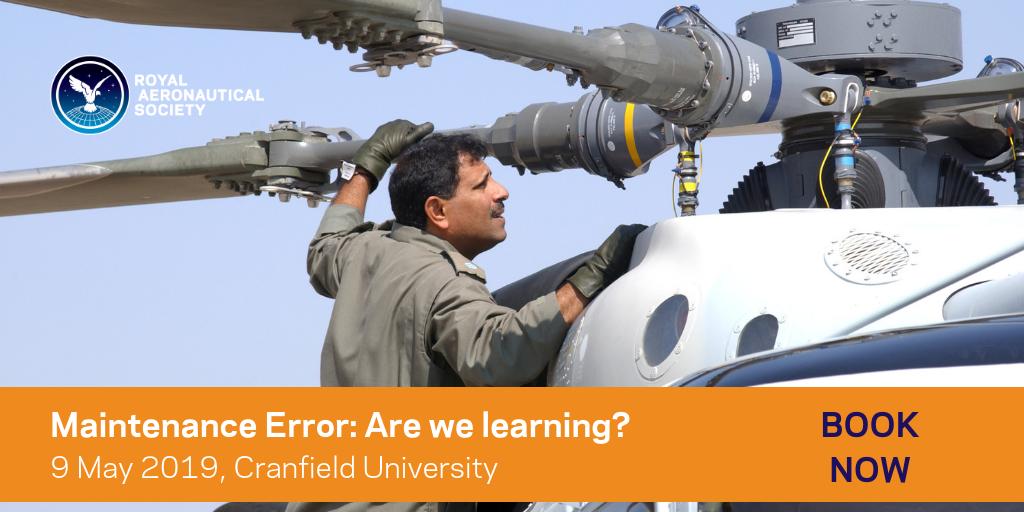
We look at the safety lessons from three AAIB reports into serious incidents during maintenance check flights.
Maintenance Check Flights: Safety Lessons Read Post »
European Helicopter Safety Team (EHEST) Issues New Publications on Technology & SMS EHEST have released two new publications, one on accident reducing technologies and the other on SMS for non-complex operators: The Potential of Technologies to Mitigate Helicopter Accident Factors – An EHEST Study EHEST created a Specialist Team Technology (ST Technology) to assess the potential of
EHEST: New Publications on Technology & SMS Read Post »
Seven reflections from the UK MAA applicable to other regulators and organisations, and a warning on the seduction of the process of risk management.
Regulatory Reflections & Resisting the Seduction of the Risk Management Process Read Post »
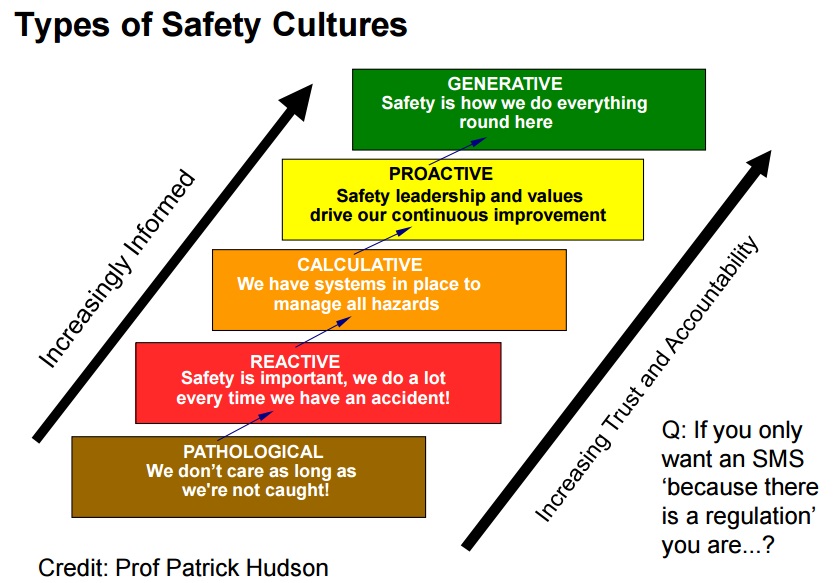
How To Destroy Your Organisation’s Safety Culture The term ‘safety culture’ was initially used in the report on the 1986 Chernobyl nuclear accident. Building a strong, positive safety culture takes deliberate, concerted and continual effort. Destroying a safety culture is a lot easier… Bad Safety Leadership The following is the text of a real e-mail, spotted pinned to the wall of the
How To Destroy Your Organisation’s Safety Culture Read Post »
Passive Fire-Retarding Helideck Designs A number of helideck manufacturers offer aluminium helideck designs with a passive fire-retarding capability. Typically this is achieved by draining fuel through holes in the deck surface, into cavities filled with aluminium mesh. This starves the fire of oxygen and dissipates heat, extinguishing the flames and draining away unburnt fuel for
Passive Fire-Retarding Helideck Designs Read Post »
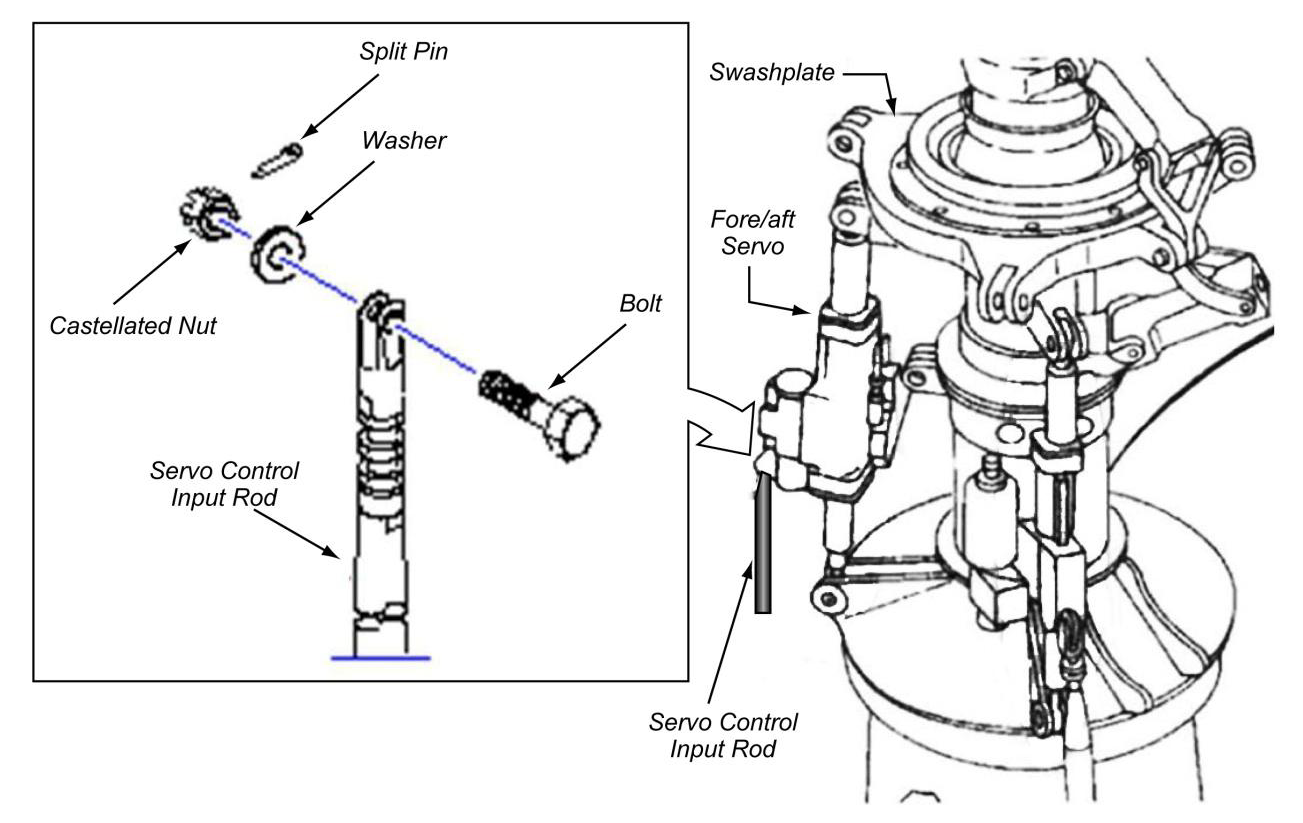
Fatal $16 Million Maintenance Errors (Sundance Helicopters AS350B2 N37SH) A jury in Las Vegas awarded $16 million to the families of 4 passengers killed in a December 2011 helicopter sightseeing accident, caused by a series of maintenance errors. The National Transportation Safety Board (NTSB) made safety recommendations on maintenance human factors and fatigue after this accident. The
Fatal $16 Million Maintenance Errors Read Post »
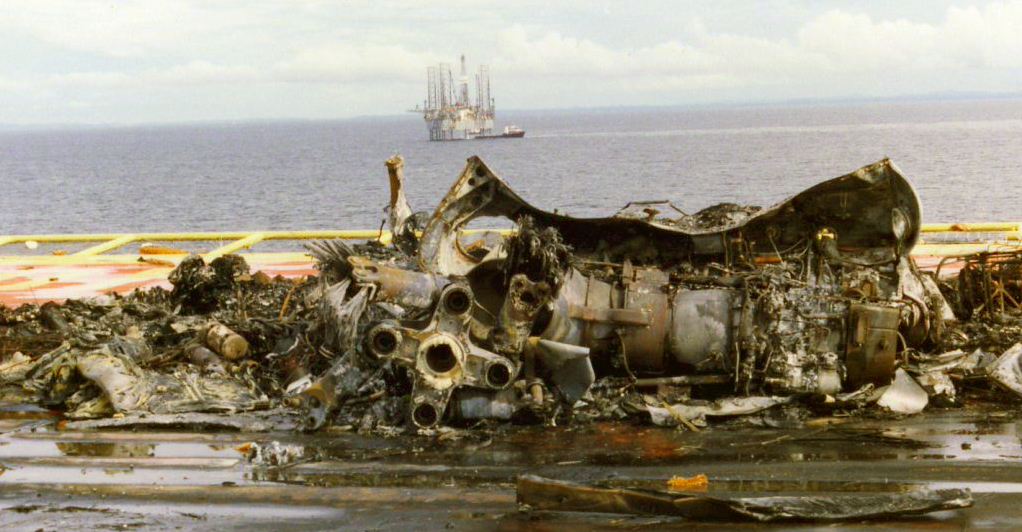
US BSEE Helideck A-NPR / Bell 430 Tail Strike The Bureau of Safety and Environmental Enforcement (BSEE) issued an Advance Notice Of Proposed Rulemaking on Helideck and Aviation Fuel Safety for Fixed Offshore Facilities on 24 September 2014. BSEE explain: Although the Federal Aviation Administration (FAA) has broad authority regarding helicopter-related safety issues and onshore and offshore
US BSEE Helideck A-NPR / Bell 430 Tail Strike Read Post »
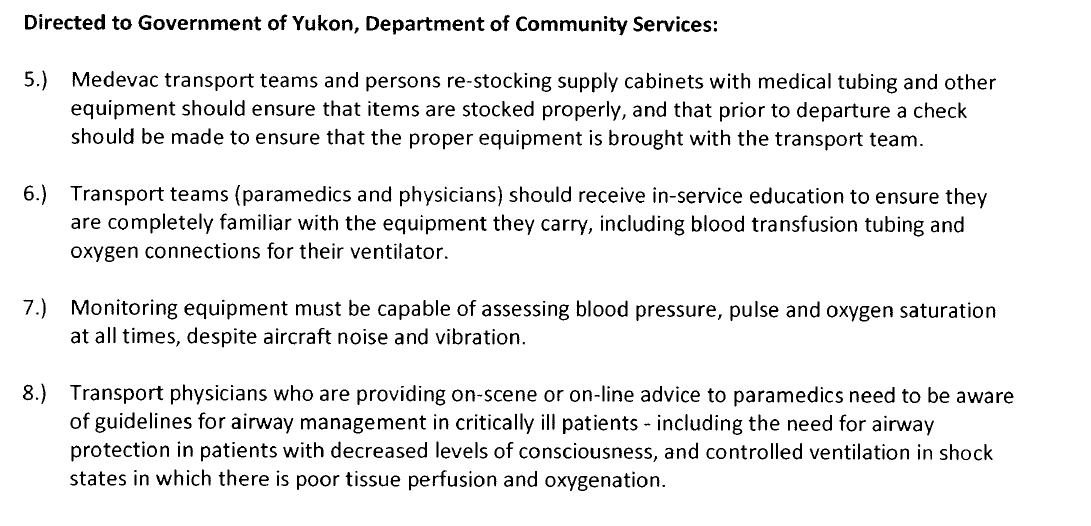
Medevac Misadventure – Inquest in the Yukon The Coroner for Canada’s Yukon Territory has recommended a review of procedures for medical evacuations (medevacs) following the death on board an air ambulance of a 31 year-old woman from Carmacks in November 2013, CBC has reported. In particular the wrong IV tubing was taken on the aircraft as different
Medevac Misadventure – Inquest in the Yukon Read Post »
New AAIB Video The UK Air Accidents Investigation Branch (AAIB) has recently issued a short video on its role. The AAIB exists to determine the circumstances and causes of civil air accident with a view to the preservation of life and the avoidance of accidents in the future. The AAIB does not apportion blame or liability. The Chief
Air Accidents Investigation Branch Video Read Post »
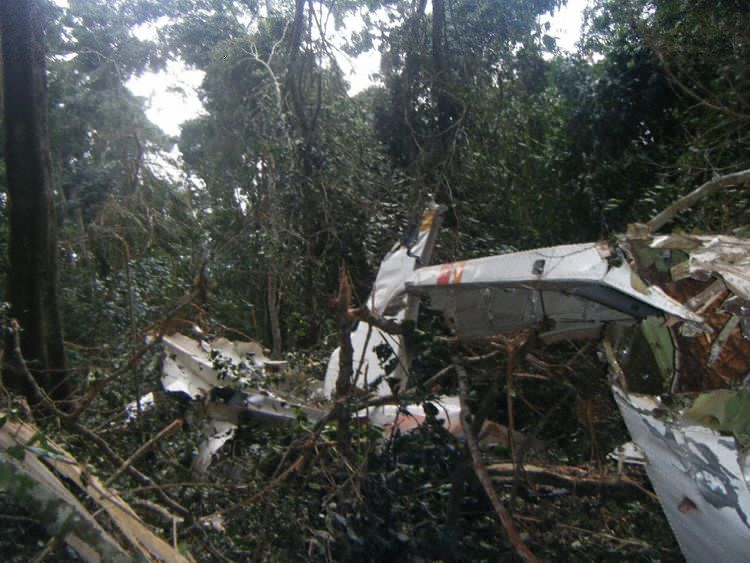
Catastrophe in the Congo – The Company That Lost its Board of Directors When you charter aircraft for business purposes, any fatal air accident can leave a terrible scar on your company as well as on the friends and family of the people who die. In 2010 a small Australian mining company suffered a particularly catastrophic air accident,
Catastrophe in the Congo – The Company That Lost its Board of Directors Read Post »
Fatal Helicopter / Crane Collision – London Jan 2013 While manoeuvring over the River Thames, an AgustaWestland A109E helicopter, G-CRST, operated by charter company Rotormotion, collided at 700ft amsl with a crane in Vauxhall, Central London. The crane was atop the 50 storey St George Wharf Tower. The helicopter pilot and a passer-by died. The UK Air Accident Investigation Branch (AAIB)
Fatal Helicopter / Crane Collision – London Jan 2013 Read Post »
GM Ignition Switch Debacle – Safety Lessons General Motors has faced intense criticism, large fines, on-going court cases and big rectification costs after mishandling a dangerous design fault in millions of vehicles. So are there safety lessons for other organisations? Aerossurance thinks so. Some have commented that this is a case of corporate complacency while others, similar to Edward
GM Ignition Switch Debacle – Safety Lessons Read Post »
Offshore Helicopter Safety Action Group (OHSAG) The UK Civil Aviation Authority (CAA) has published the minutes of the latest, 14 August 2014, meeting of the Offshore Helicopter Safety Action Group (OHSAG). The OHSAG was formed as a result of the ‘Civil Aviation Authority Safety Review of Offshore Public Transport Helicopter Operations in Support of the Exploitation of Oil
Offshore Helicopter Safety Action Group & OGUK Helicopter Briefing Read Post »
Business Jet Collides With ‘Uncharted’ Obstacle During Go-Around Five people died when a business jet collided with what the NTSB originally stated was an un-charted 72 ft concrete powerline pole, built 0.25 miles from the departure end of the runway, during a nighttime go-around. The US National Transportation Safety Board (NTSB) have issued a factual update
Business Jet Collides With ‘Uncharted’ Obstacle During Go-Around Read Post »
NTSB Recommendations on Offshore Methane Gas Venting The US National Transportation Safety Board (NTSB) have issued a series of recommendations following two accidents were single engined offshore helicopters ditched after the suspected ingestion of vented methane gas caused a full or partial engine power loss near an offshore platform. Vented combustible gas can cause surging, a compressor
NTSB Recommendations on Offshore Methane Gas Venting Read Post »
Wrong Deck Landings Occasionally, offshore helicopters do land on the wrong offshore installation. On 26 August 2014 the media picked up an such an event that occurred a few days earlier involving a Sikorsky S-92A. So is it a big deal? Well, yes and no! There are good reasons to avoid landing on a deck that is
Wrong Deck Landings Read Post »
Commanders: Flying or Monitoring? At a recent Royal Aeronautical Society Conference, one of the speakers, Colin Milne of BALPA, highlighted that in a number of past UK large helicopter accidents involving Controlled Flight Into Terrain (CFIT) or Loss of Control (LOC) the Commander was the Pilot Flying rather than the Pilot Monitoring. While there are circumstances where this
Commanders: Flying or Monitoring? Read Post »
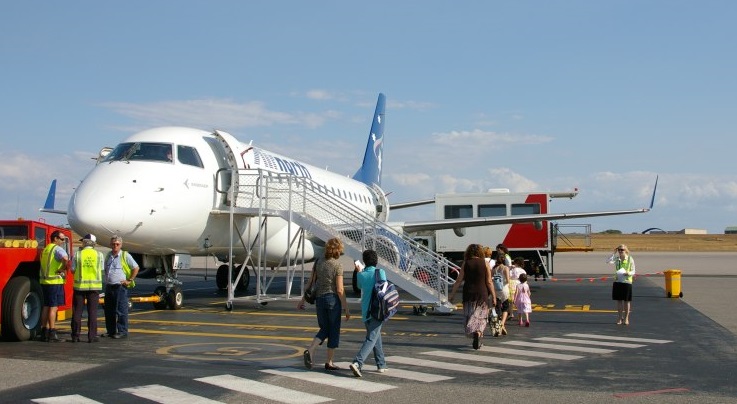
An error programming the FMS on a flight to a zinc mine in the Northern Territory has been highlighted by the ATSB.
Embraer ERJ 170 FMS Error & Fatigue Read Post »
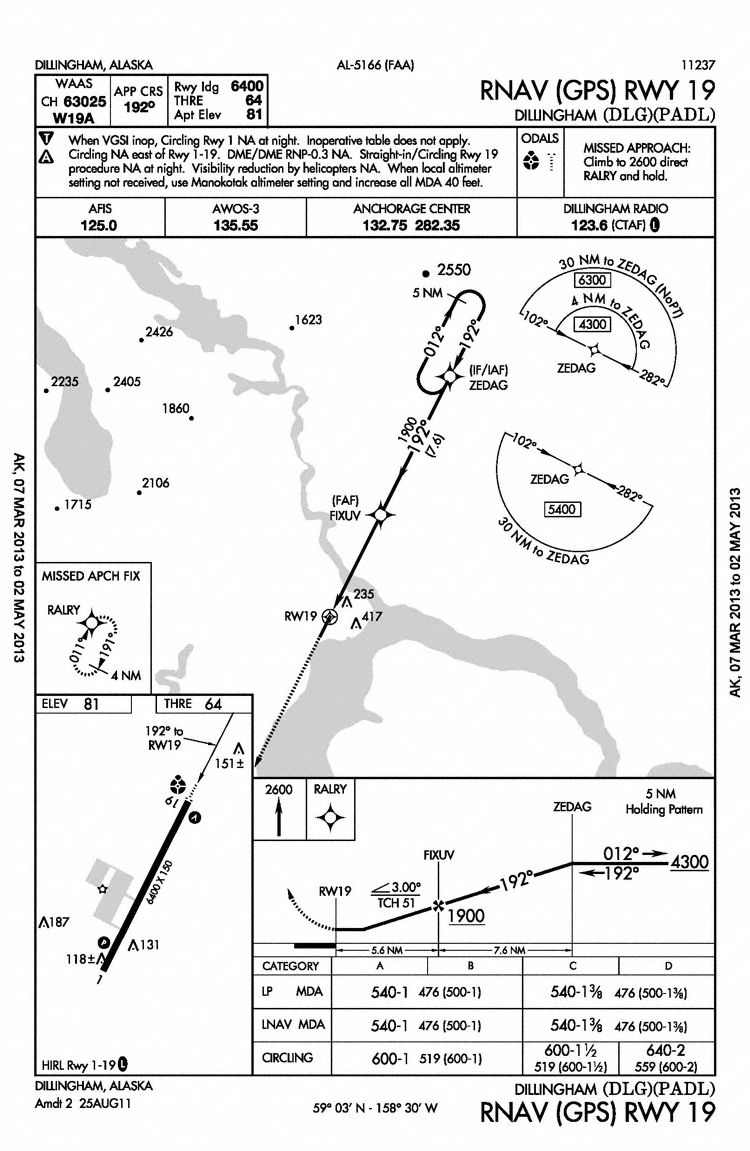
Alaska B1900C Accident – Contributory ATC Errors The US National Transportation Safety Board (NTSB) identified contributory ATC errors when they issued their probable cause of a fatal Beechcraft B1900C Controlled Flight Into Terrain (CFIT) accident in instrument meteorological conditions at Aleknagik, Alaska on 8 March 2013. The aircraft, N116AX, was operated by Alaska Central Express (Ace) Air Cargo.
Alaska B1900C Accident – Contributory ATC Errors Read Post »
Two accident reports highlight a potential higher risk of CFIT at extreme latitudes. That risk is not to do with the geography but with database limitations of some TAWS.
Extreme Latitudes – Extra CFIT Risk Read Post »
FAA Impose Fines After Maintenance Errors – Just Culture? The Federal Aviation Administration (FAA) have proposed fining two helicopter emergency medical service (HEMS) operators and one airline a total of $12.4 million for allegedly operating non-compliant aircraft after various maintenance errors. However does this encourage a just, open reporting culture? The Cases In each case it should be
FAA Impose Fines After Maintenance Errors – Just Culture? Read Post »