
EC130 Door Loss Damaged Main Rotor Blades
A design deficiency was addressed by a subsequent Airworthiness Directive.
EC130 Door Loss Damaged Main Rotor Blades Read Post »

A design deficiency was addressed by a subsequent Airworthiness Directive.
EC130 Door Loss Damaged Main Rotor Blades Read Post »

After touchdown the helicopter lifted into the hover due to a concern over sideways drift but became unstable. The forward rotors contacted the fuselage and the rear landing gear collapsed.
RCAF Chinook Loss of Control (LOC) Investigation Read Post »

A fatal descent into trees after an engine failure at low altitude after exceeding engine component life limits. Engine cycles were documented “irregularly”.
Engine Life Limit Exceedance Caused Logging Helicopter Fatal Accident Read Post »

An air tour operator’s improper installation of tail rotor bearings resulted in cascading in-flight failures, say NTSB. The tail rotor assembly was “was on the verge of imminent failure” when the helicopter landed.
Air Tour Helicopter Force Landing After Improper Installation of Tail Rotor Bearings Read Post »

This helicopter was allowed to drift to the right while preparing to lift a load at a remote mining exploration site.
HESLO Dynamic Rollover in Alaska Read Post »
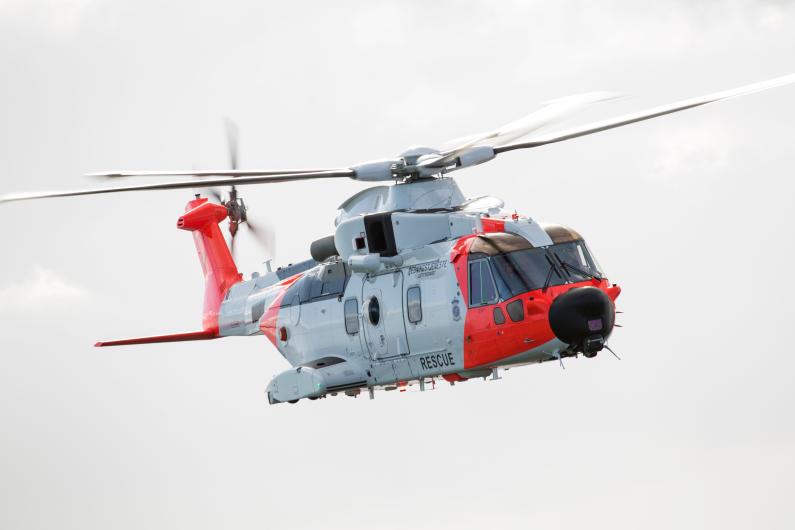
Accident investigators say a SAR AW101 rolled over “during a period of persistently elevated and confusing operational risk” as the aircraft type was being introduced to military service in Norway.
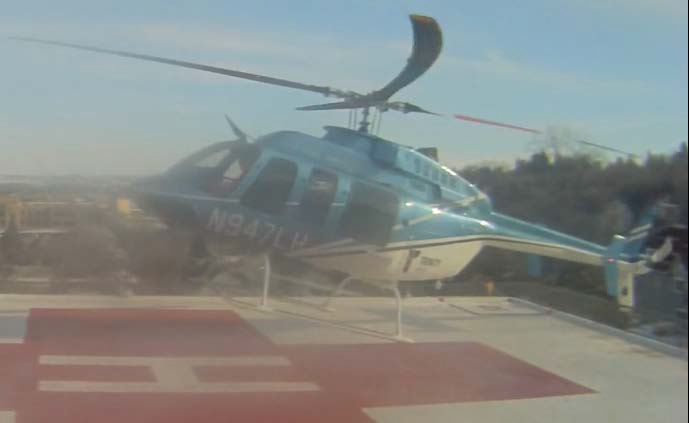
At first the pilot wasn’t aware that the helicopter’s tail rotor had stuck the helideck perimeter netting…
Air Ambulance B407 Hospital Helipad Deck Edge Tail Strike During Shallow Approach Read Post »
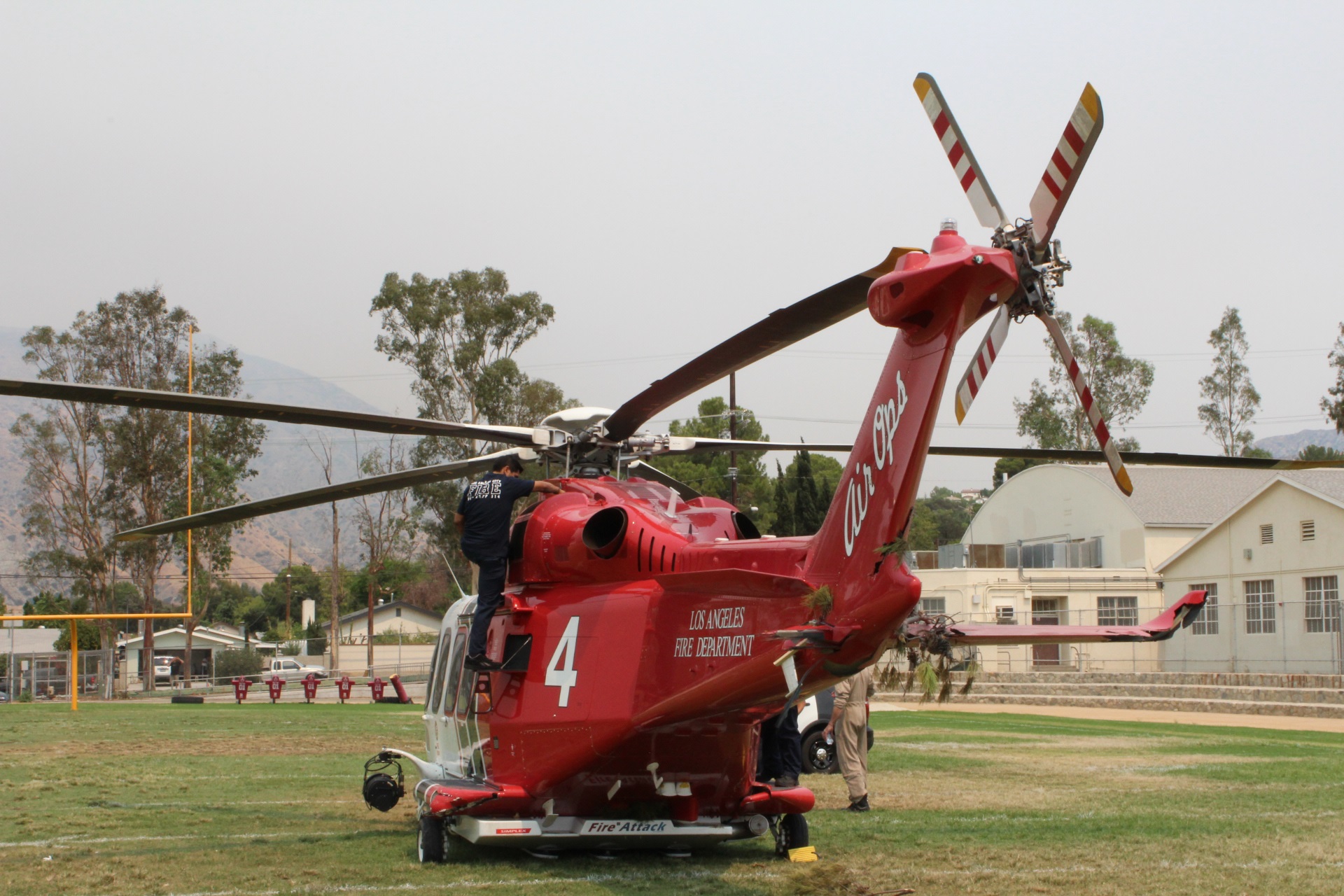
During an approach to a hillside fire, airspeed drops dangerously low and the helicopter drifts backwards into trees…
Firefighting AW139 Loss of Control and Tree Impact Read Post »

BEA-E identify a range of possible factors for the jamming of a hoist and severing of the hoist cable during a military training exercise.
Military SAR H225M Caracal Double Hoist Fatality Accident Read Post »
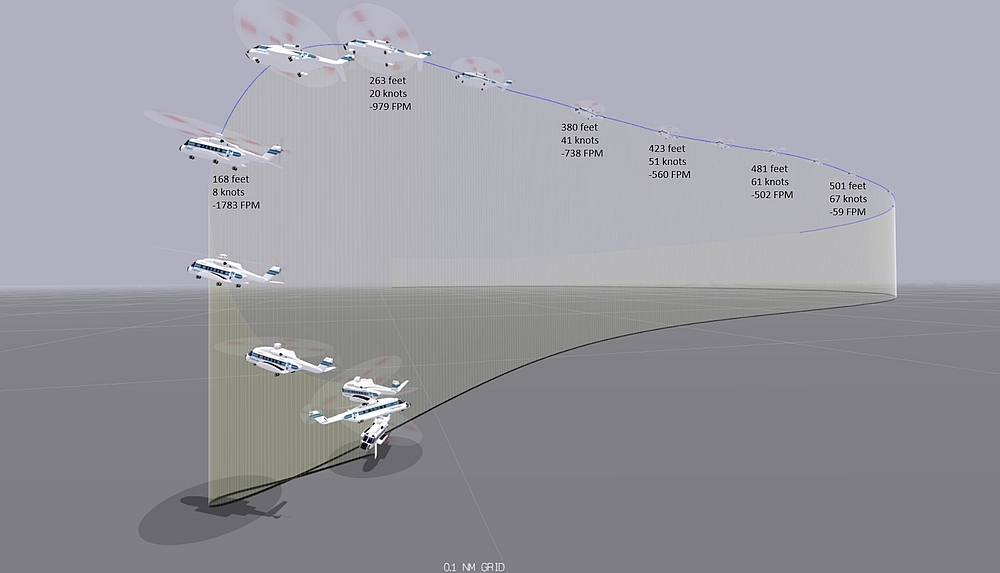
During the second go-around the crew started an impromptu visual approach when the ExxonMobil installation suddenly came into view. A high ROD at low airspeed developed in low-visibility. The helicopter avoided the sea by just 13 ft. A second loss of control occurred during the ascent.
Loss of Control, Twice, by Offshore Helicopter off Nova Scotia Read Post »
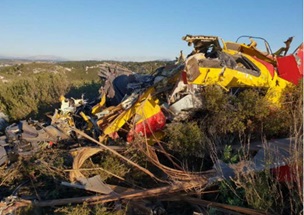
After abandoning an inland routing, the crew headed to the coast but fly into high ground after an Inadvertent entry into Instrument Metrological Conditions (IIMC).
Sécurité Civile Fatal EC145 CFIT: Night, Low Ceiling and a Change in Route Read Post »
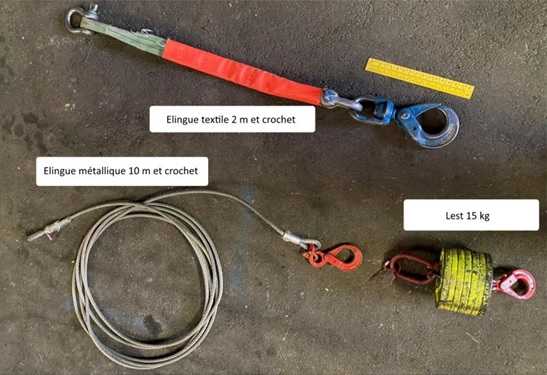
A change in plan resulted in a helicopter returning with an unballasted sling and at a higher than advised speed this entangled with the tail rotor.
Unballasted Sling Stings Speedy Squirrel Read Post »
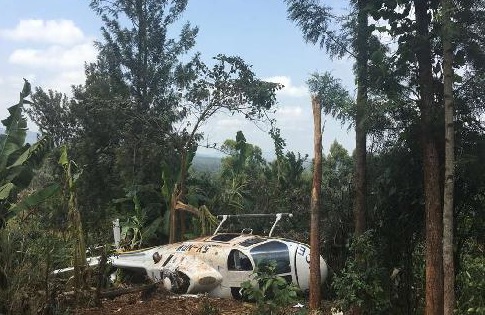
A police helicopter presses on for a second time into deteriorating weather.
Plan Continuation Bias & IIMC in Kenyan Police AW119 Accident Read Post »
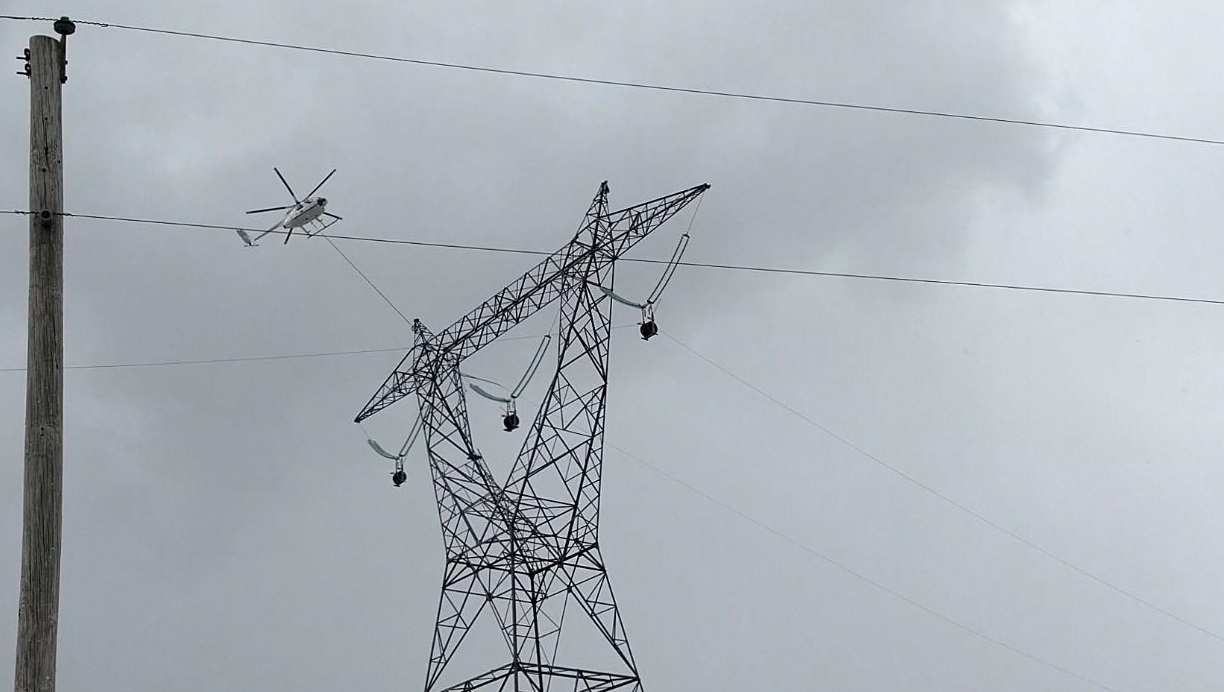
A key component was never recovered, investigators seem to have misunderstood their own laboratory’s report on another and the NTSB conclusions omit to identify the evident failure of a shear pin to correctly perform its safety function as a factor.
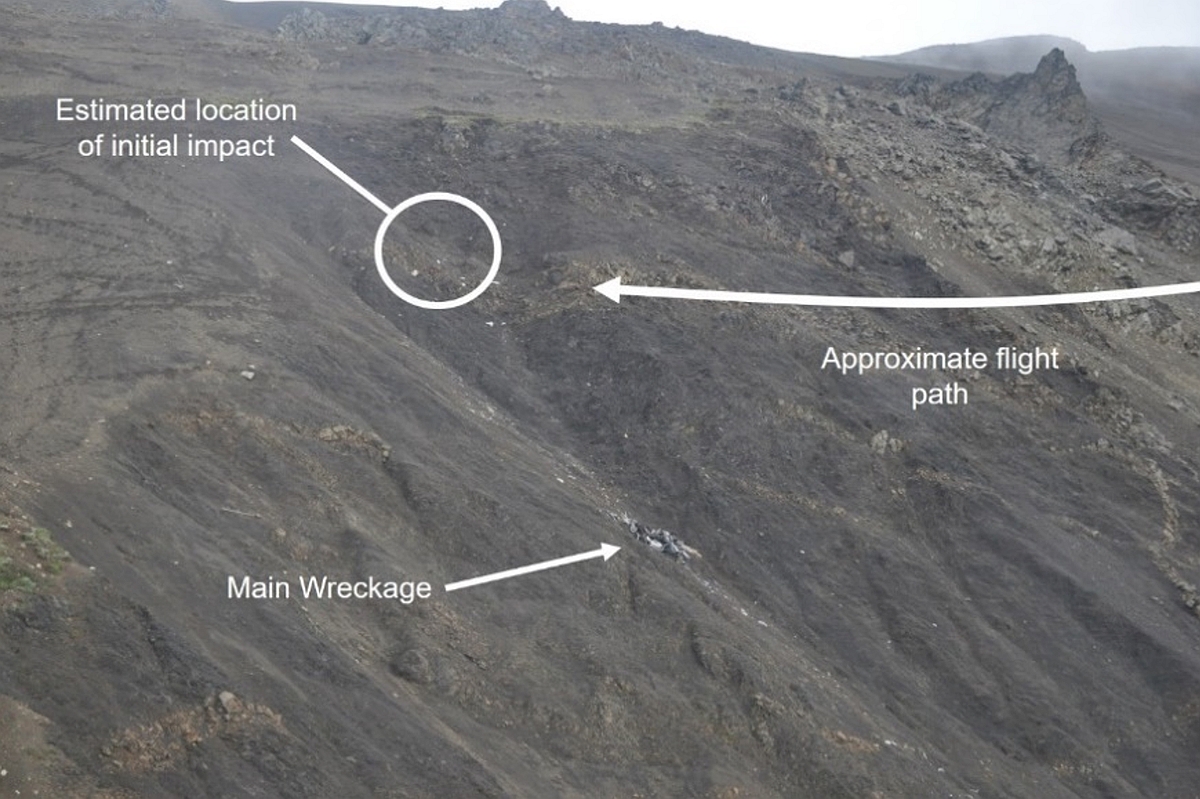
Did you know that rain on a windscreen, in addition to causing poor visibility, introduces a refraction error that can make objects appear lower, by up to 5 degrees?
Windscreen Rain Refraction: Mountain Mine Site HESLO CFIT Read Post »
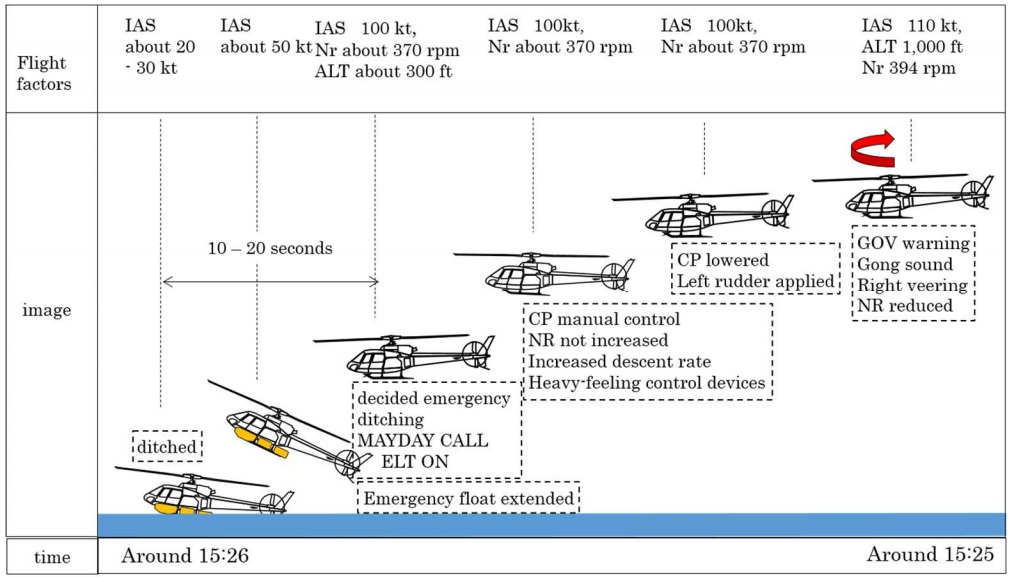
An accident that highlights the benefit of practical emergency drills and careful consideration of survivability issues.
AS350B3 Ditching Japan Read Post »
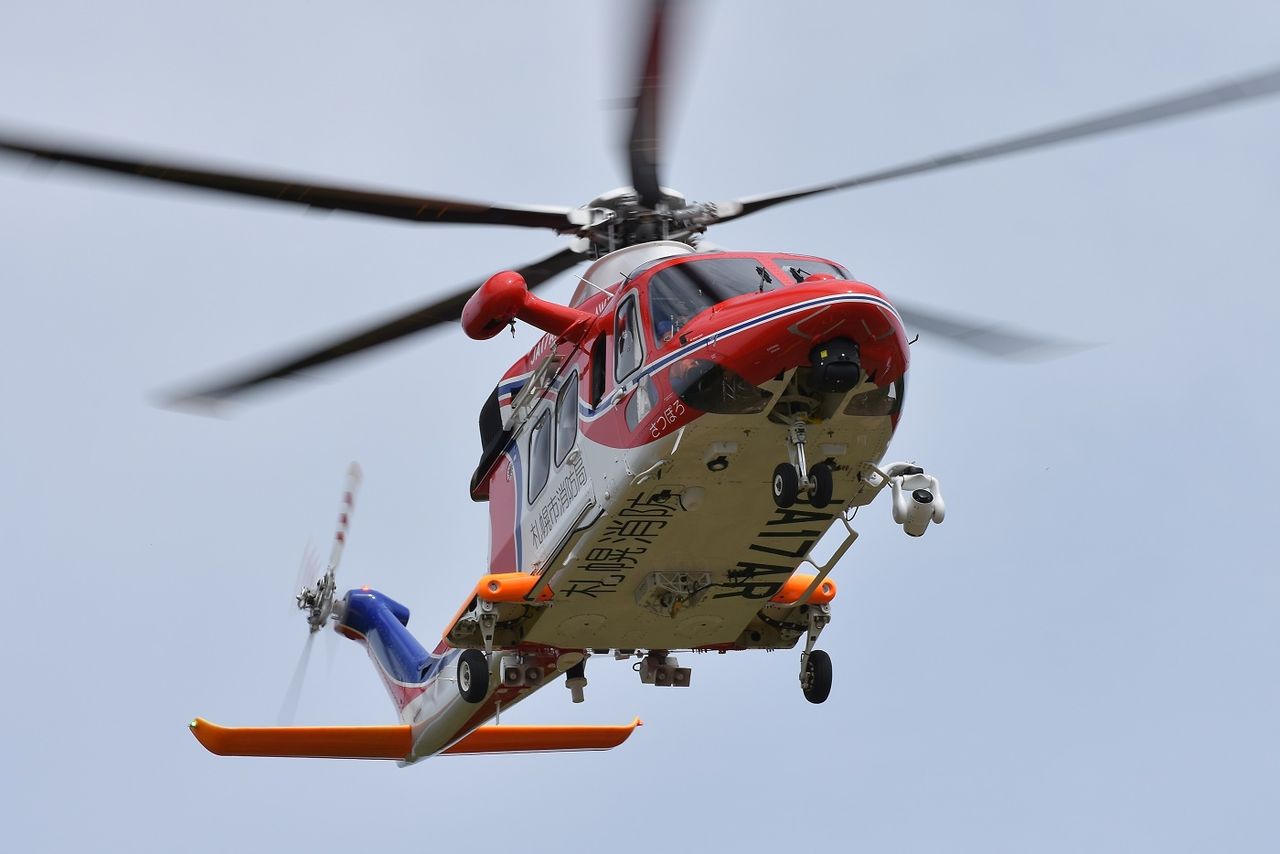
JTSB comment: “When introducing new equipment, it is necessary to confirm in advance, the usage including appropriate selection, and sufficiently identify the risk factors”.
SAR AW139 Dropped Object: Attachment of New Hook Weight Read Post »
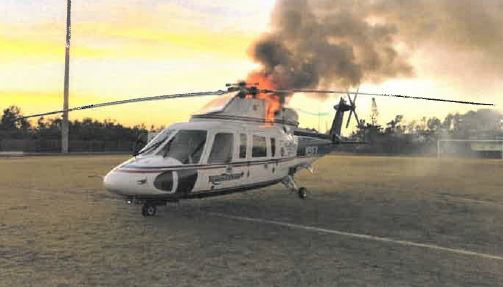
Fire after activating the rotor brake while the No. 2 engine was still set to govern the power turbine speed.
S-76A++ Rotor Brake Fire Read Post »
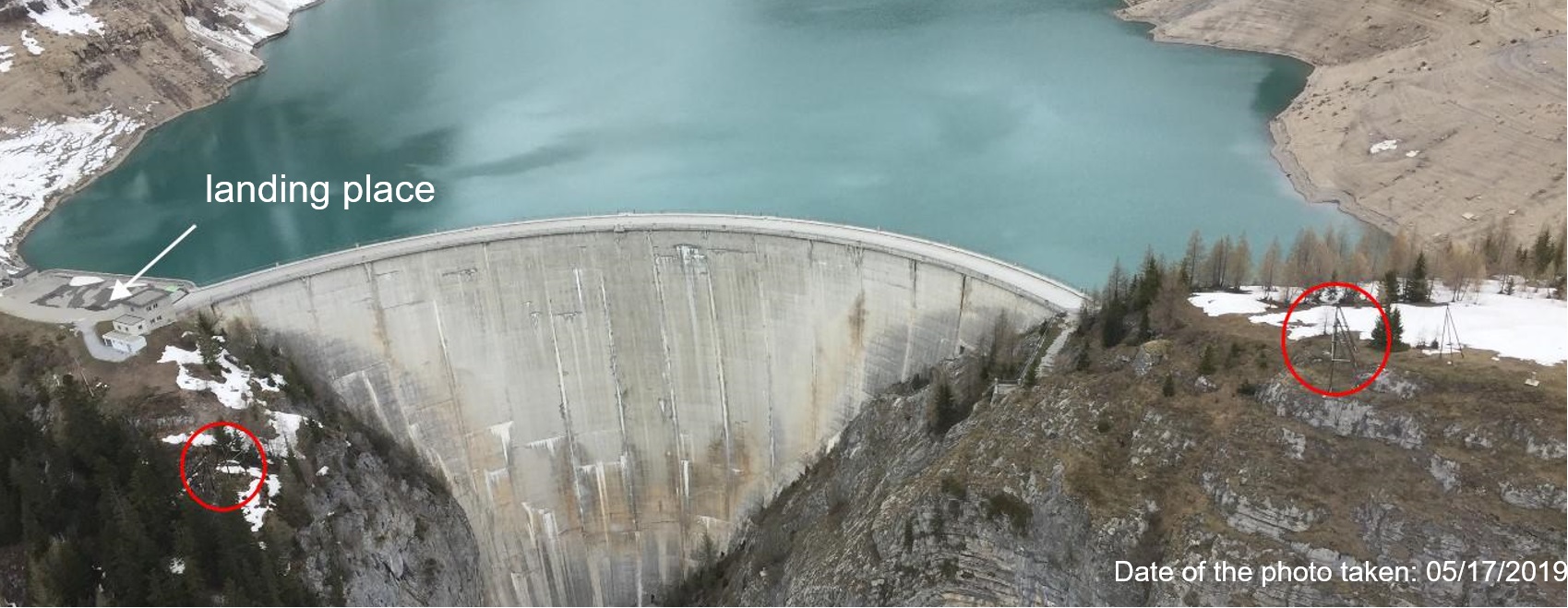
Weather conditions forced an unfamiliar approach direction to a familiar landing site. The lack of a site recce first increased risk as did the inaudibility of an obstacle warning system.
Wire Strike on Unfamiliar Approach Direction to a Familiar Site Read Post »
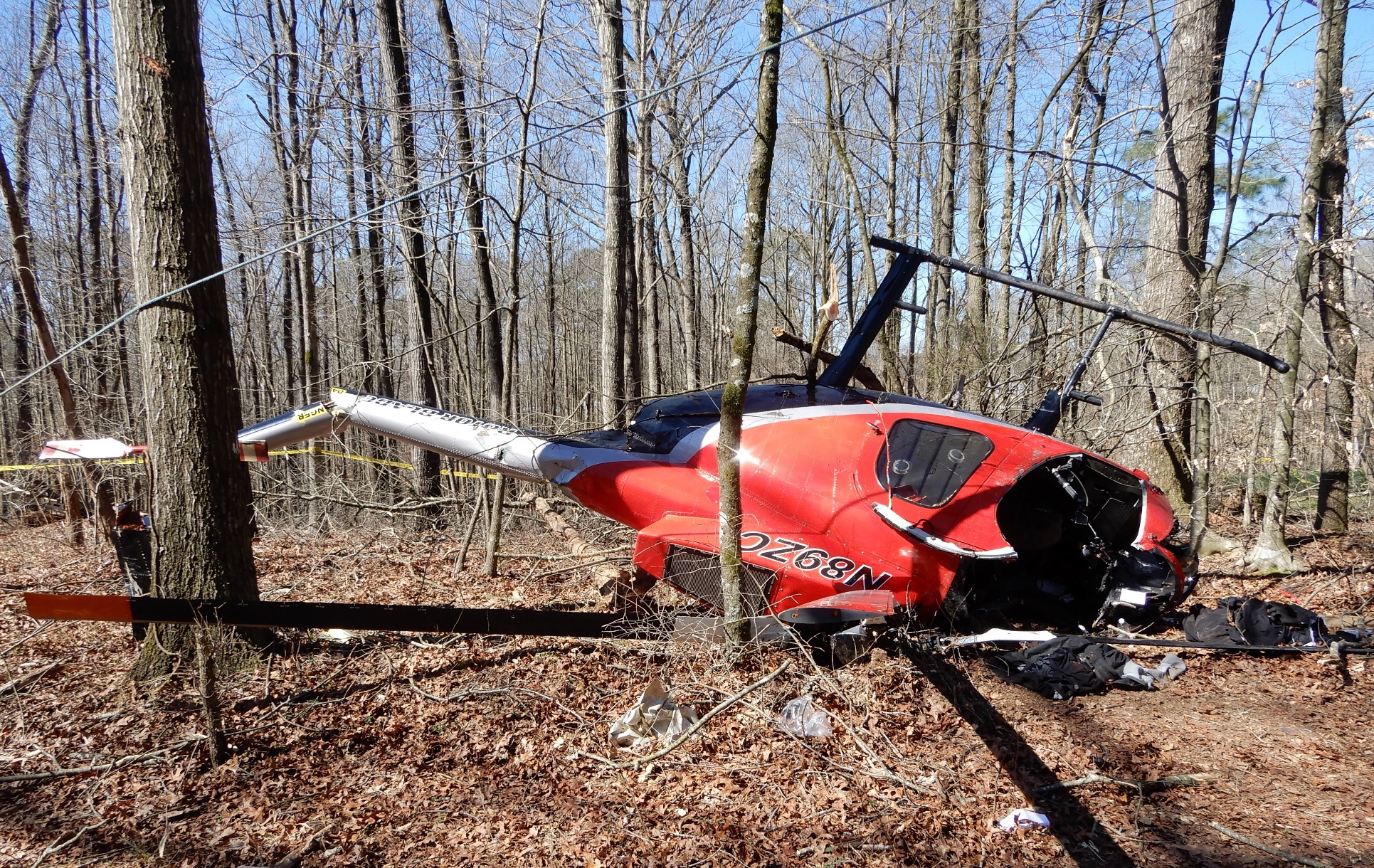
The fourth accident to this H369D proved fatal. NTSB identify that undetected prior engine mount damage was the cause of a clutch failure while using an aerial saw at low level.
Prior Engine Mount Damage Lead to Fatal Aerial Saw Crash Read Post »
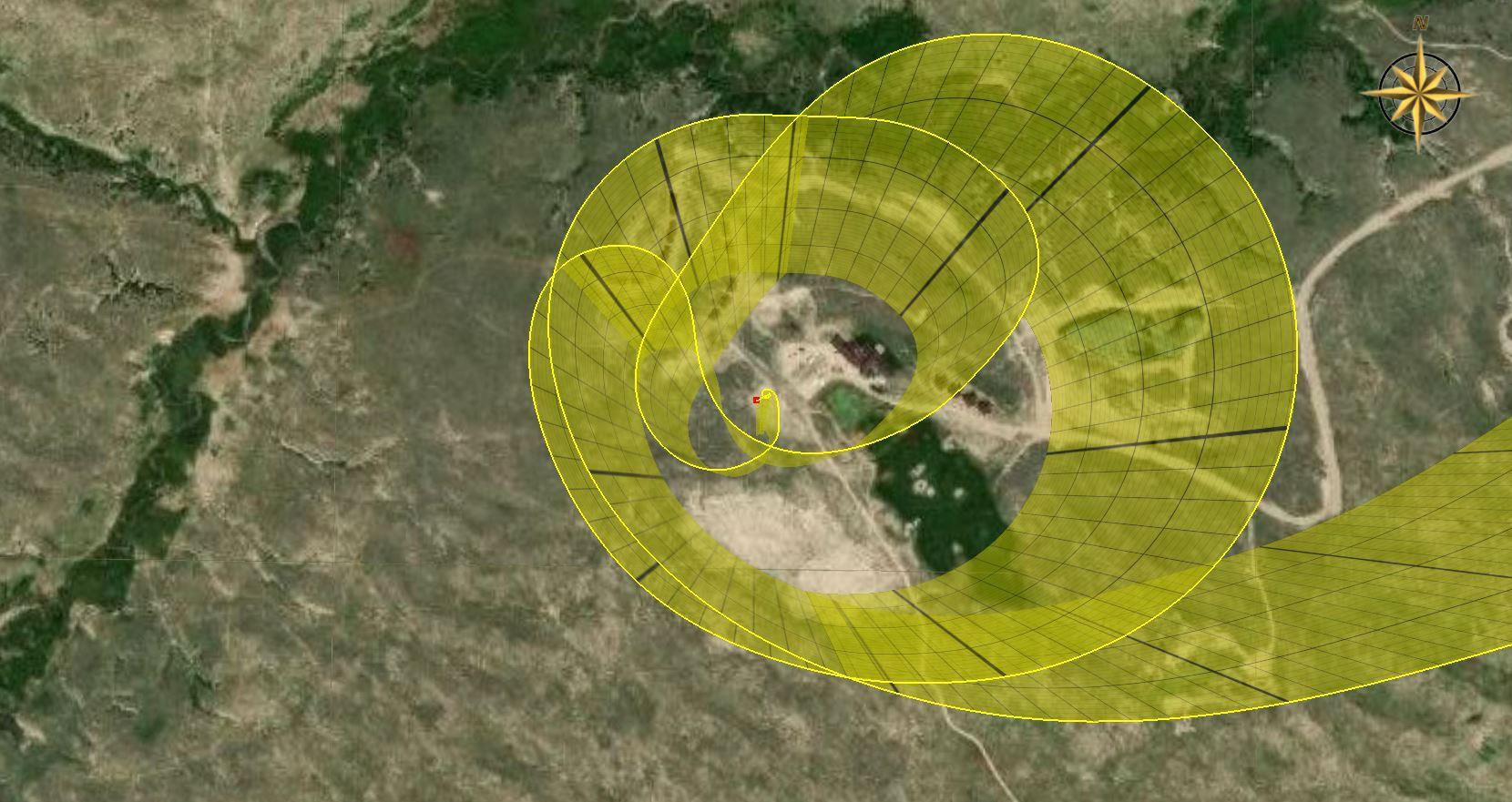
A LOC-I during a tight, decelerating turn downwind while a low time pilot was doing a recce of a possible golf course landing site.
Unanticipated Yaw: Loss of Control During Landing Site Survey Read Post »
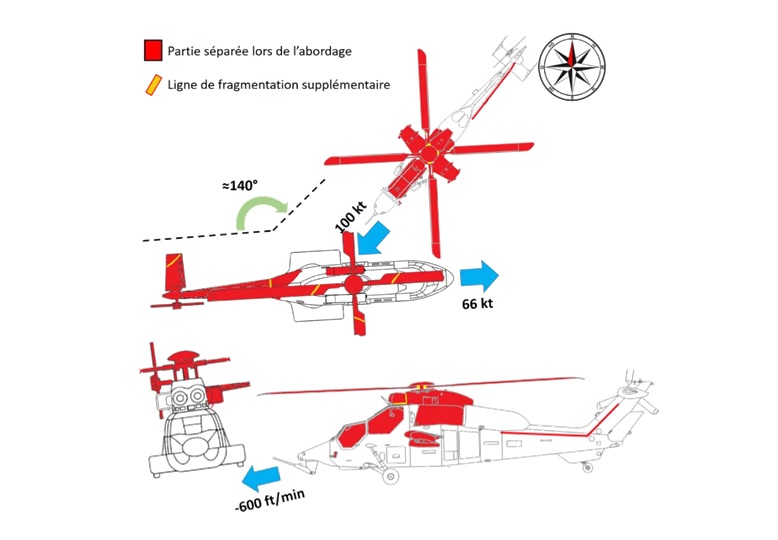
BEA-E deconstruct a helicopter Mid Air Collision (MAC) during combat operations in Mali and look at human factors that affected situational awareness as the Air Mission Commander wrestled with resolving a Rules of Engagement (ROE) dilemma.
Human Factors of a Mali Mid Air Collision Read Post »
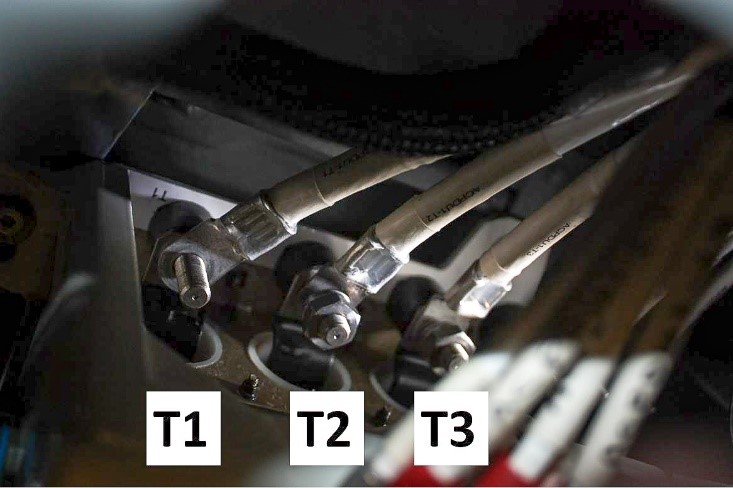
Terminal wire lugs T1, T2 & T3 were found unsecured. T1 was missing its securing nut, washer and lockwasher but was still contacting its terminal stud. T2 & T3 were found hand tight.
RCAF Investigate Defect on Newly Delivered CH-148 Cyclone (S-92) Read Post »
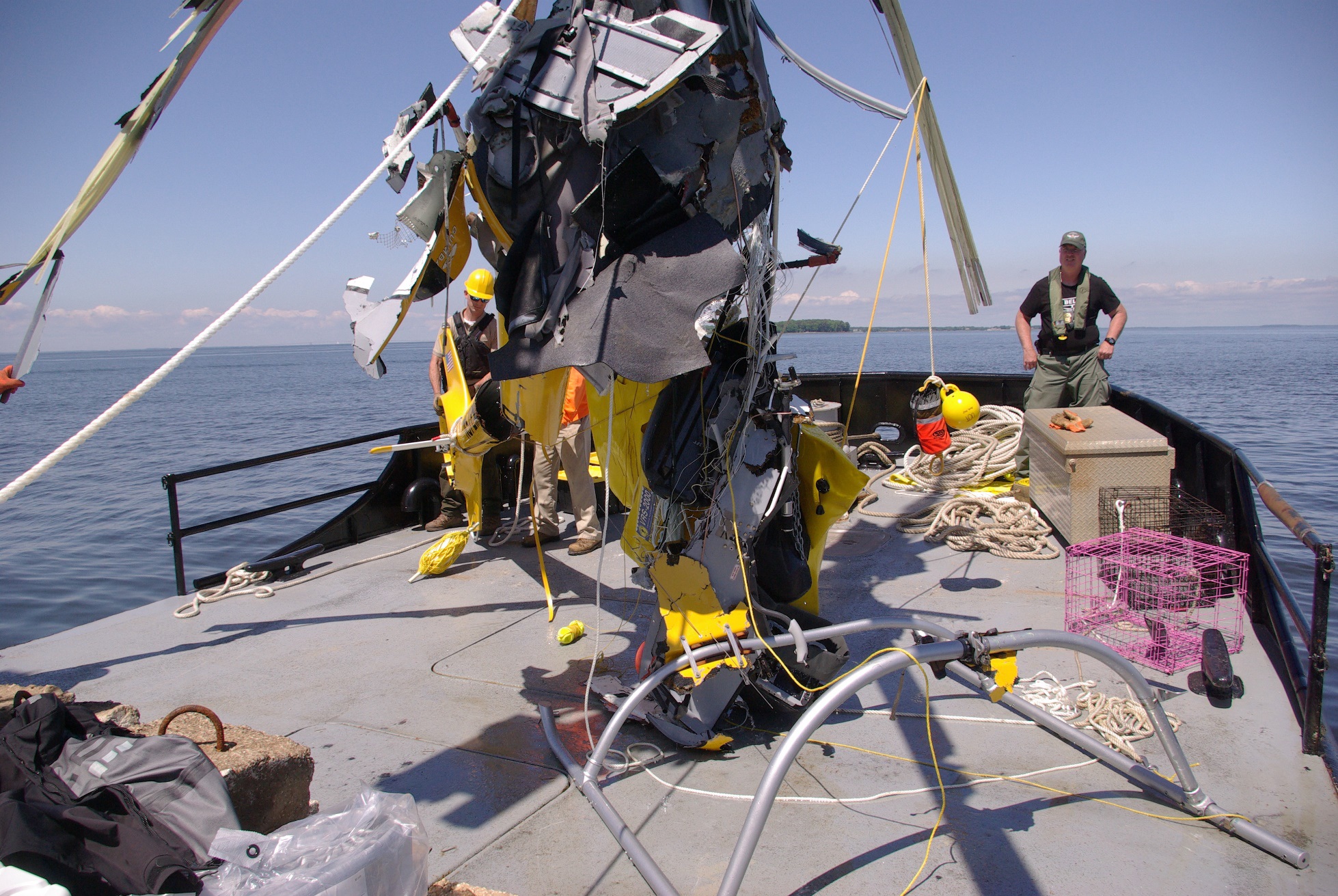
A low time pilot sets out to photograph a fishing boat in IMC that they are not qualified to fly in & the helicopter is not certified for.
The inevitable happens…
Inexperienced IIMC over Chesapeake Bay: Reduced Visual References Require Vigilance Read Post »
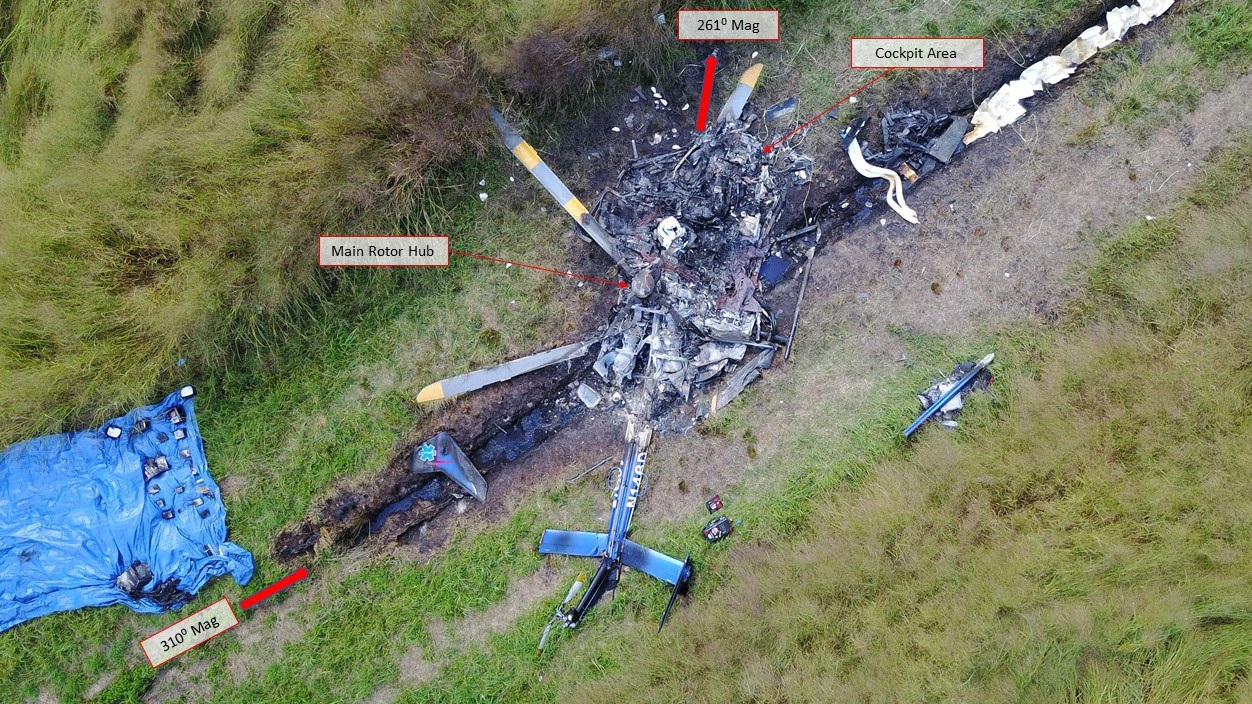
PSM+ICR: A propulsion system malfunction (a failing No 2 engine) was followed by an inappropriate crew response (shutting down the No 1 engine). The NTSB show how the pilot may not have been familiar with how the helicopter’s displays respond in emergencies.