Cessna 208B Collides with C172 after Distraction
The C208 pilot thought he had set the parking brake and focused his attention inside the cockpit.
Cessna 208B Collides with C172 after Distraction Read Post »
The C208 pilot thought he had set the parking brake and focused his attention inside the cockpit.
Cessna 208B Collides with C172 after Distraction Read Post »
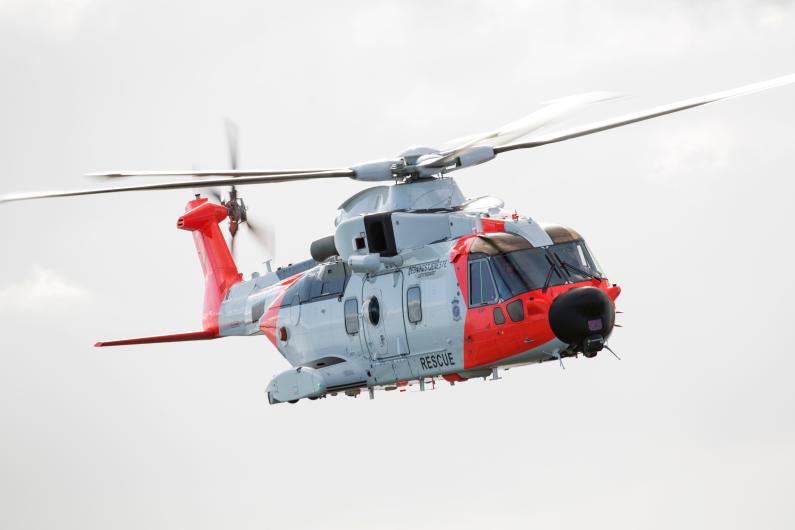
BEA-E identify a range of possible factors for the jamming of a hoist and severing of the hoist cable during a military training exercise.
Military SAR H225M Caracal Double Hoist Fatality Accident Read Post »
During the second go-around the crew started an impromptu visual approach when the ExxonMobil installation suddenly came into view. A high ROD at low airspeed developed in low-visibility. The helicopter avoided the sea by just 13 ft. A second loss of control occurred during the ascent.
Loss of Control, Twice, by Offshore Helicopter off Nova Scotia Read Post »
After abandoning an inland routing, the crew headed to the coast but fly into high ground after an Inadvertent entry into Instrument Metrological Conditions (IIMC).
Sécurité Civile Fatal EC145 CFIT: Night, Low Ceiling and a Change in Route Read Post »
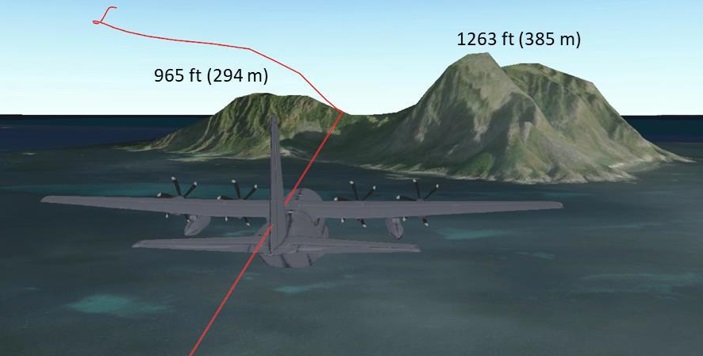
The investigation showed that the RNoAF should intensify its safety management, including on risk, competency and safety culture. It also identified a need for an independent and comprehensive supervisory body for military aviation in Norway.
A Second from Disaster: RNoAF C-130J Near CFIT Read Post »
A change in plan resulted in a helicopter returning with an unballasted sling and at a higher than advised speed this entangled with the tail rotor.
Unballasted Sling Stings Speedy Squirrel Read Post »
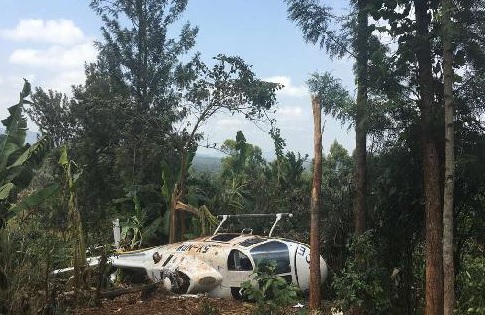
A police helicopter presses on for a second time into deteriorating weather.
Plan Continuation Bias & IIMC in Kenyan Police AW119 Accident Read Post »
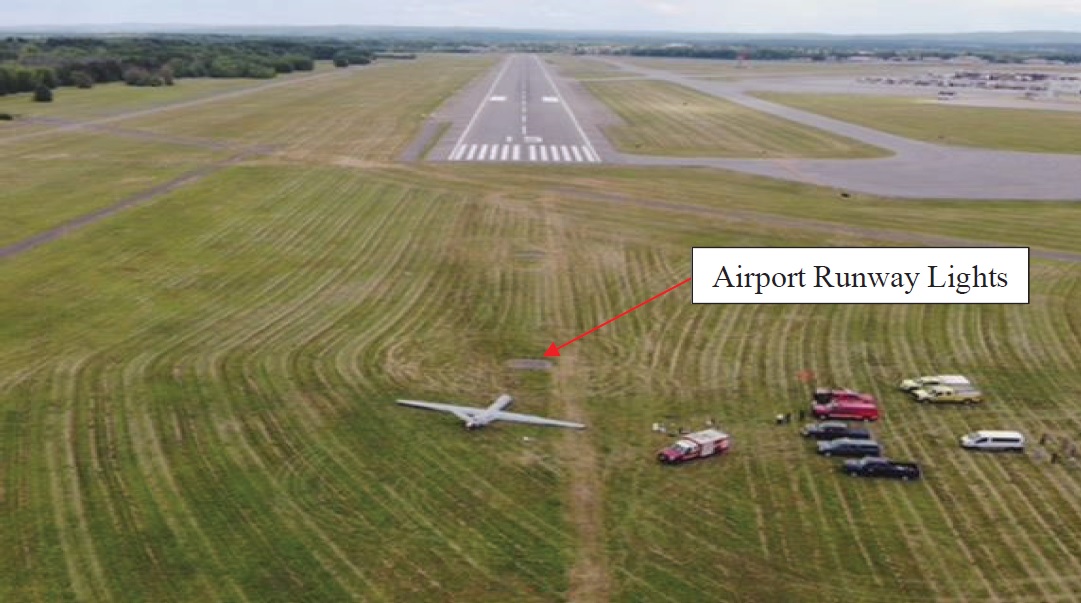
We look at a takeoff accident to a USAF UAS where the engine condition lever was retarded instead of the flaps being retracted.
USAF MQ-9A Reaper Lever Confusion: Human Factors Read Post »
A key component was never recovered, investigators seem to have misunderstood their own laboratory’s report on another and the NTSB conclusions omit to identify the evident failure of a shear pin to correctly perform its safety function as a factor.
NTSB suggest an air lock in the fuel system plus an auto-feather system failure which may have occurred if the power lever was manually retarded during the auto-feather sequence. The DC-3 was below the airspeed required to maintain lateral control after an engine failure with an unfeathered propeller.
Did you know that rain on a windscreen, in addition to causing poor visibility, introduces a refraction error that can make objects appear lower, by up to 5 degrees?
Windscreen Rain Refraction: Mountain Mine Site HESLO CFIT Read Post »
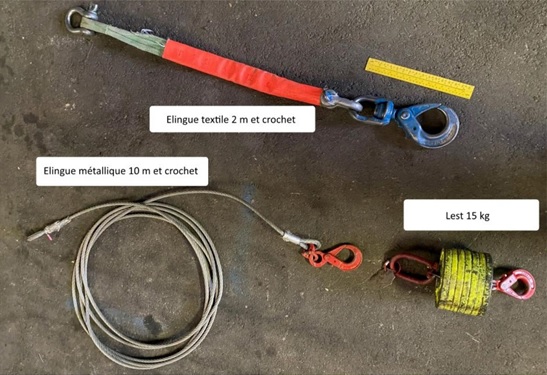
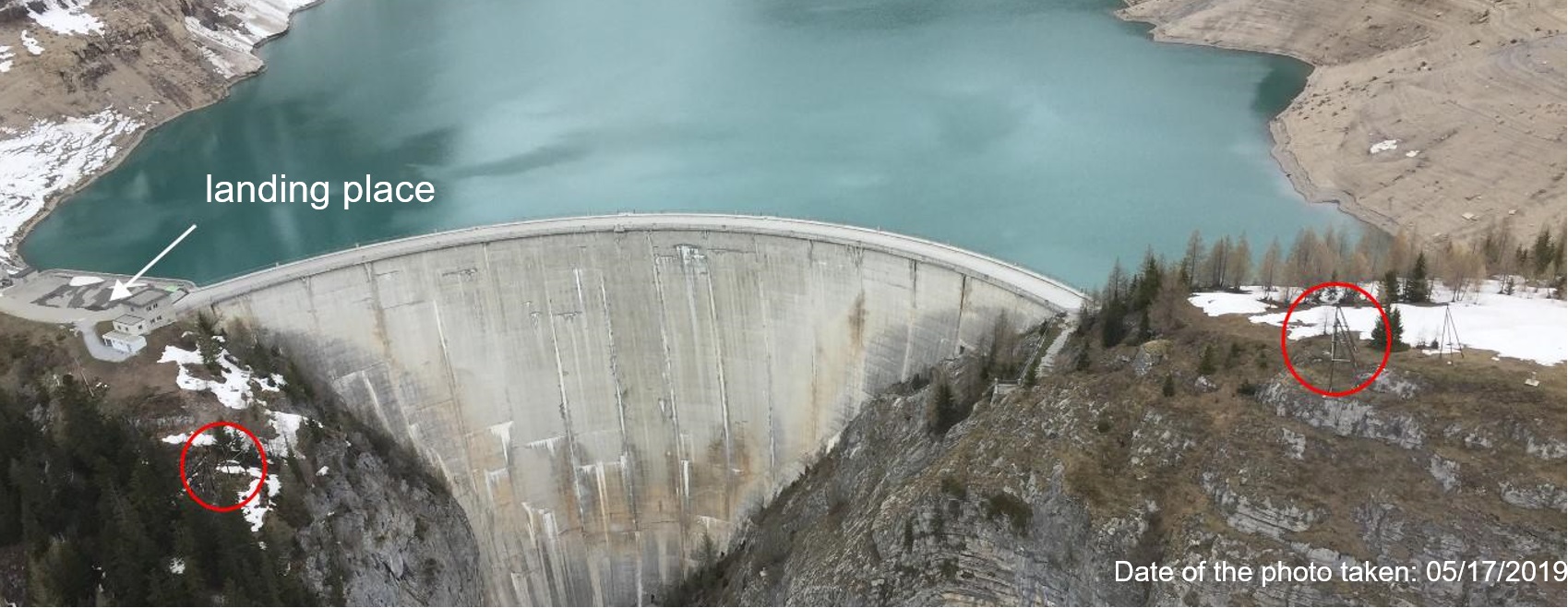
JTSB comment: “When introducing new equipment, it is necessary to confirm in advance, the usage including appropriate selection, and sufficiently identify the risk factors”.
SAR AW139 Dropped Object: Attachment of New Hook Weight Read Post »
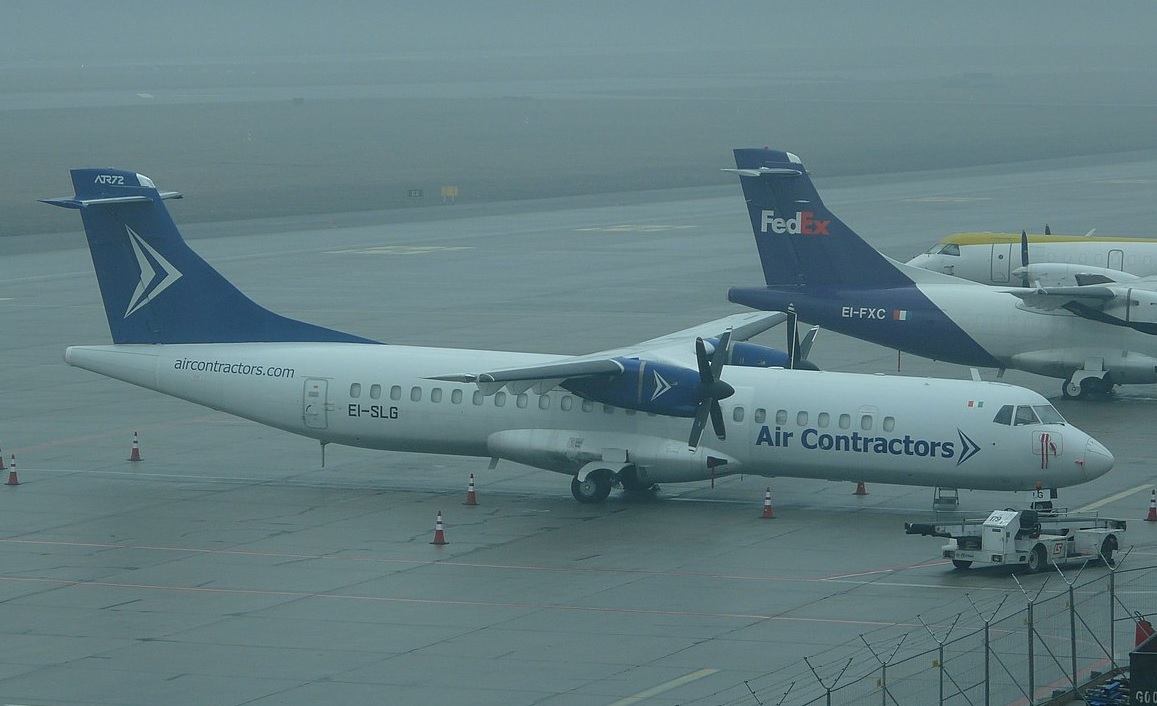
An ATR72 suffered an uncommanded yaw and roll as it accelerated through 185 knots. The cause was traced to misassembly during a prior maintenance check. A cam in the rudder Travel Limitation Unit could be reversed, and pressures during the check triggered that misassembly.
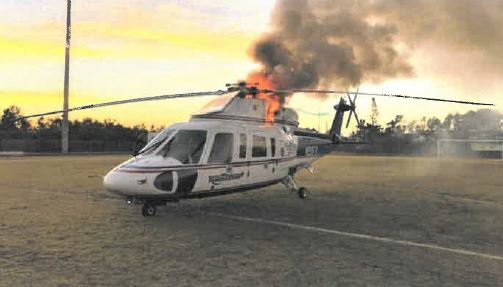
Fire after activating the rotor brake while the No. 2 engine was still set to govern the power turbine speed.
S-76A++ Rotor Brake Fire Read Post »
Weather conditions forced an unfamiliar approach direction to a familiar landing site. The lack of a site recce first increased risk as did the inaudibility of an obstacle warning system.
Wire Strike on Unfamiliar Approach Direction to a Familiar Site Read Post »
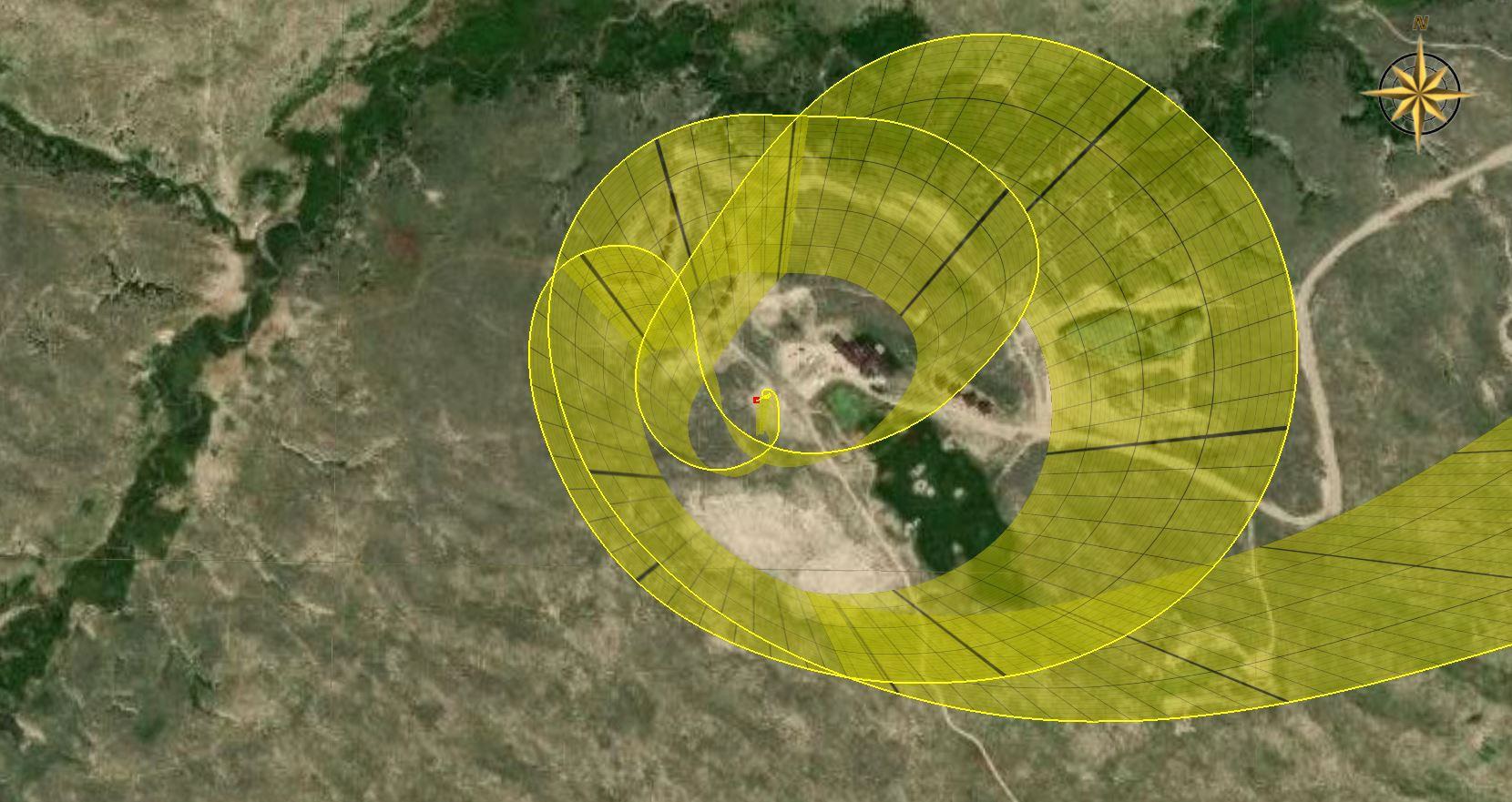
A LOC-I during a tight, decelerating turn downwind while a low time pilot was doing a recce of a possible golf course landing site.
Unanticipated Yaw: Loss of Control During Landing Site Survey Read Post »
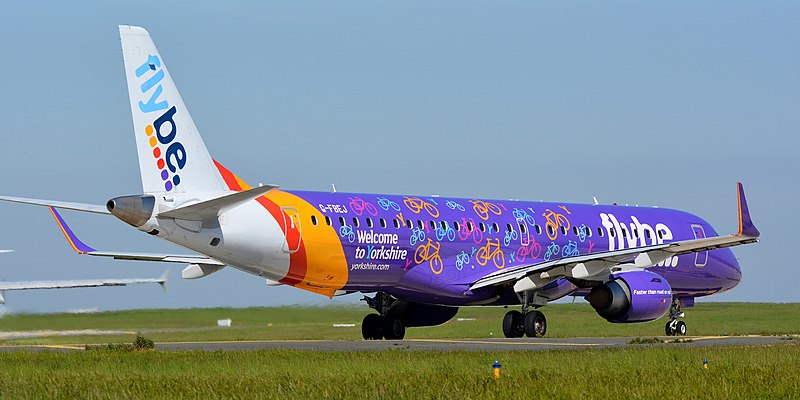
A series of systemic maintenance human factors issues emerge from a detailed AAIB investigation into cockpit/cabin fume event.
Flybe Fume Event (Part 1): Compressor Wash Maintenance Human Factors Case Study Read Post »
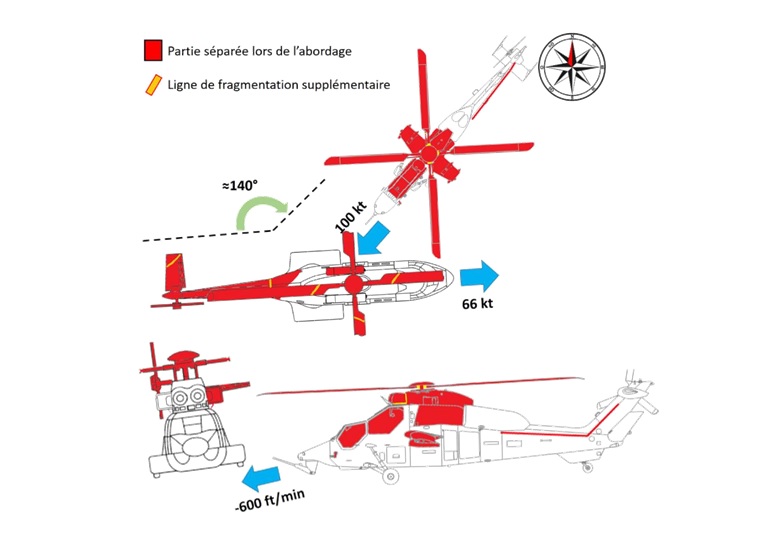
BEA-E deconstruct a helicopter Mid Air Collision (MAC) during combat operations in Mali and look at human factors that affected situational awareness as the Air Mission Commander wrestled with resolving a Rules of Engagement (ROE) dilemma.
Human Factors of a Mali Mid Air Collision Read Post »
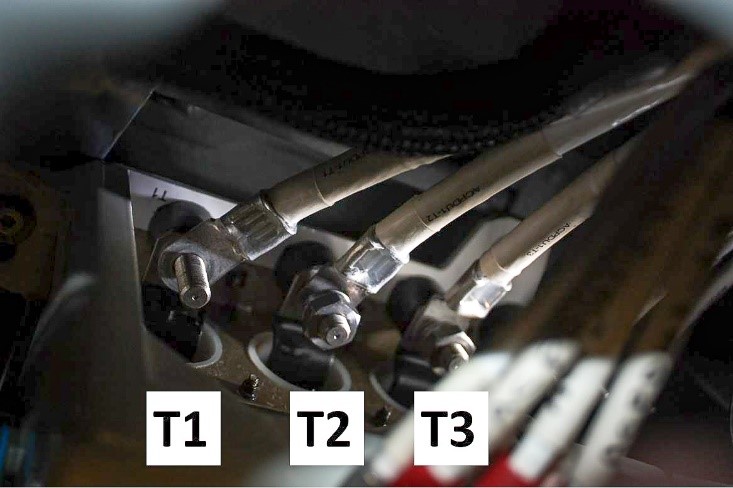
Terminal wire lugs T1, T2 & T3 were found unsecured. T1 was missing its securing nut, washer and lockwasher but was still contacting its terminal stud. T2 & T3 were found hand tight.
RCAF Investigate Defect on Newly Delivered CH-148 Cyclone (S-92) Read Post »
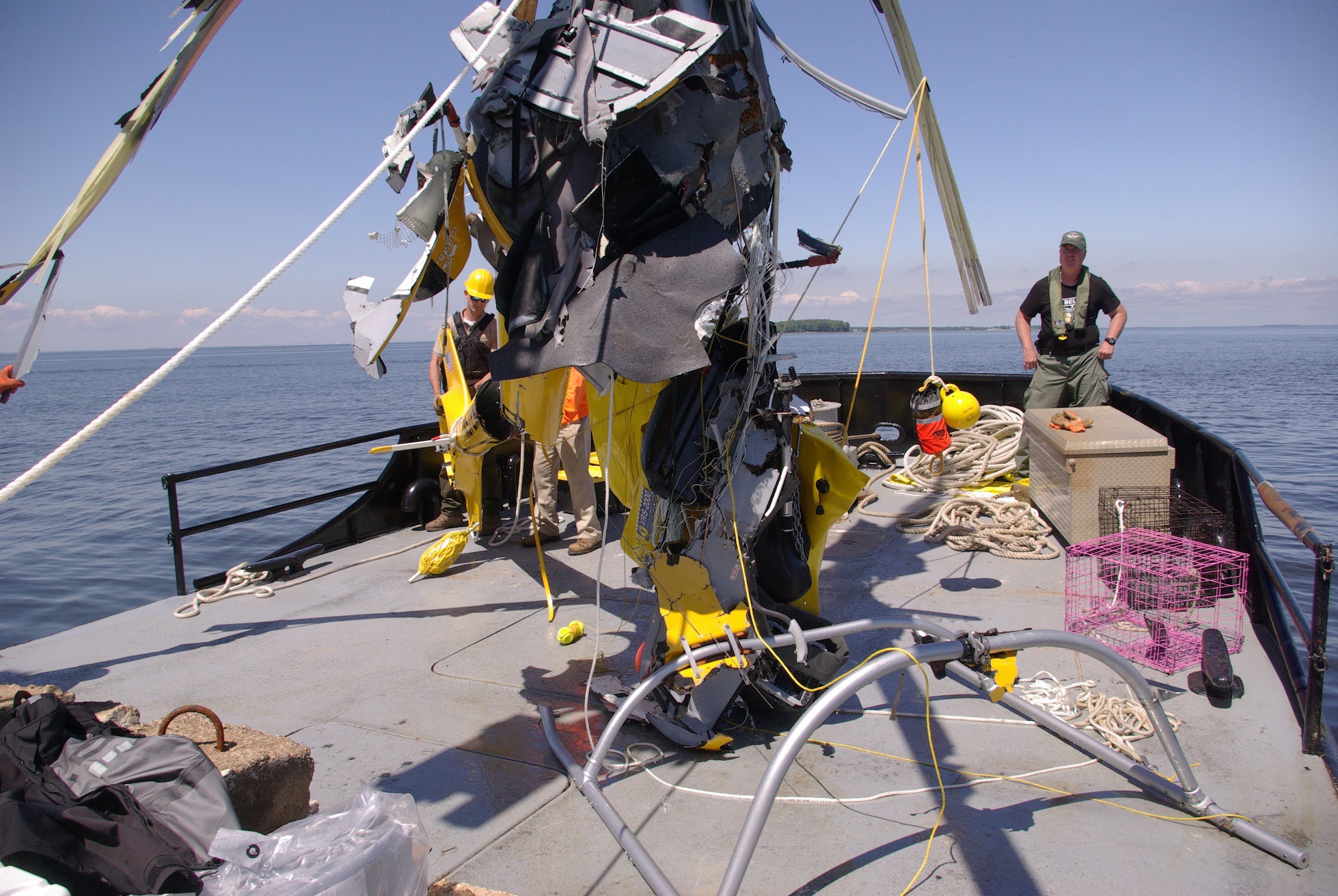
A low time pilot sets out to photograph a fishing boat in IMC that they are not qualified to fly in & the helicopter is not certified for.
The inevitable happens…
Inexperienced IIMC over Chesapeake Bay: Reduced Visual References Require Vigilance Read Post »
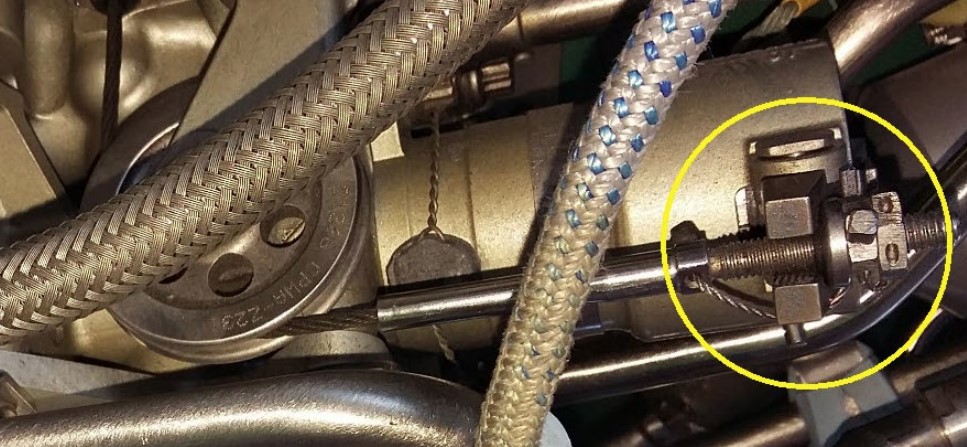
A rare engine failure mode related to miss-rigging a Shut Off Valve. The investigation triggered enhancing maintenance instructions.
Engine Shutdown Results in Revised SOV Rigging Instructions Read Post »
PSM+ICR: A propulsion system malfunction (a failing No 2 engine) was followed by an inappropriate crew response (shutting down the No 1 engine). The NTSB show how the pilot may not have been familiar with how the helicopter’s displays respond in emergencies.
Pressing on in bad weather this helicopter descended during an over sea transit to stay in VMC but ultimately impacted the water as visibility deteriorated further.
BK117 Impacts Sea, Scud Running off PNG Read Post »
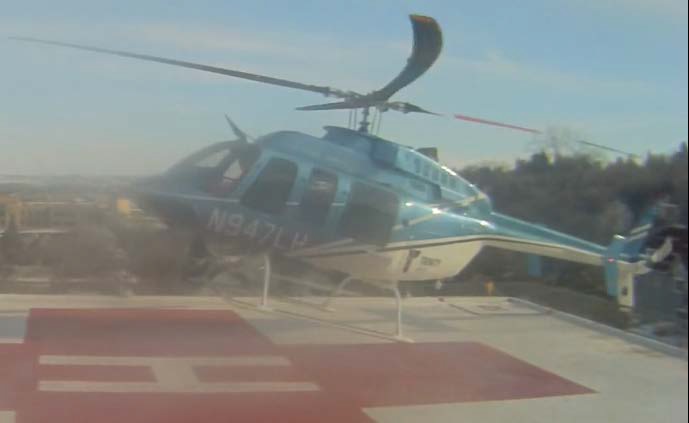
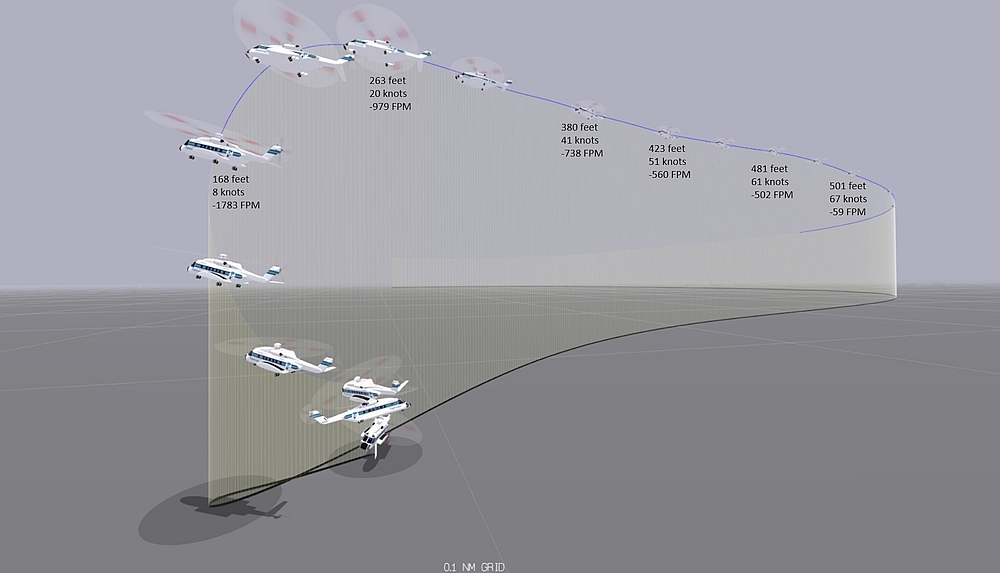
NTSB points to a failure to consider the Density Altitude in this spectacular air ambulance accident caught on video. But there are wider lessons about planning and landing site hazards.
US Air Ambulance Near Miss with Zip Wire and High ROD Impact at High Density Altitude Read Post »
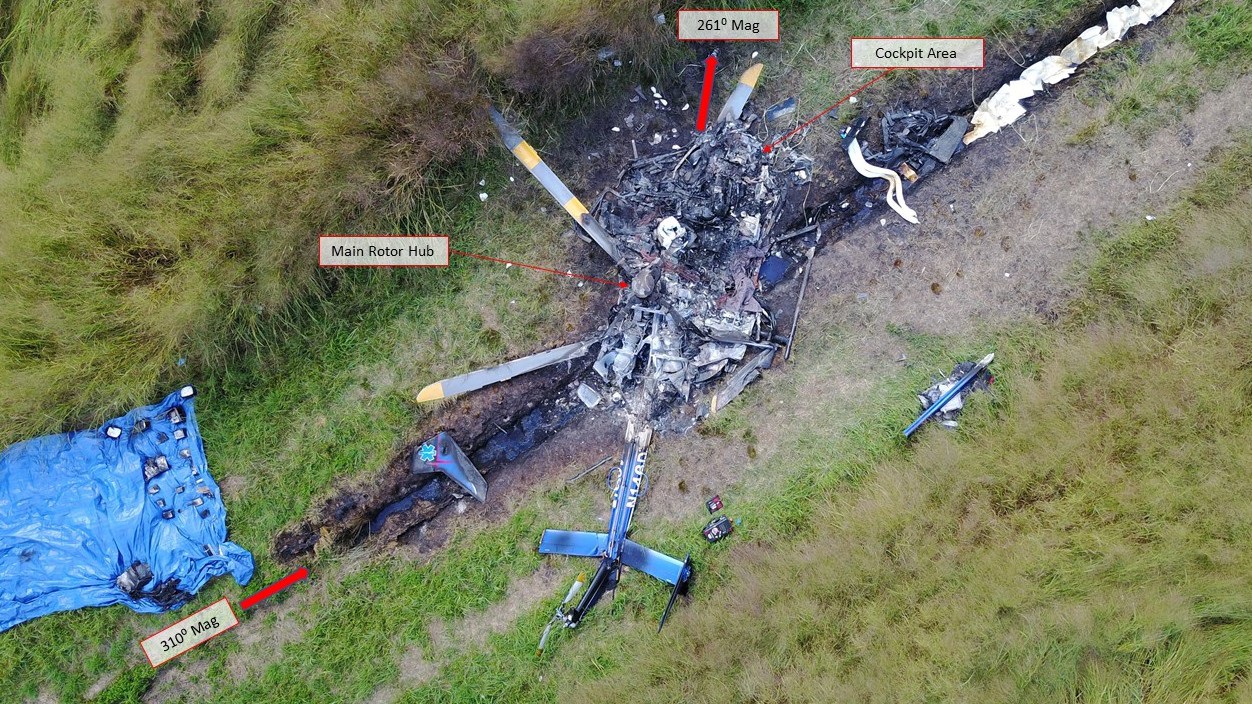
A Loss of Control – Inflight during a downwind approach to a busy remote landing site. The helicopter crashed in a difficult to access gully and caught fire. It took almost 10 hours for survivors to reach hospital. Five of the 7 occupants died.
Grand Canyon Air Tour Tragic Tailwind Landing Accident Read Post »