Regulation

Blinded by Light, Spanish Customs AS365 Crashed During Night-time Hot Pursuit

Accidents & Incidents, Crises / Emergency Response / SAR, Helicopters, Human Factors / Performance, Offshore, Regulation, Safety Management, Special Mission Aircraft, Survivability / Ditching

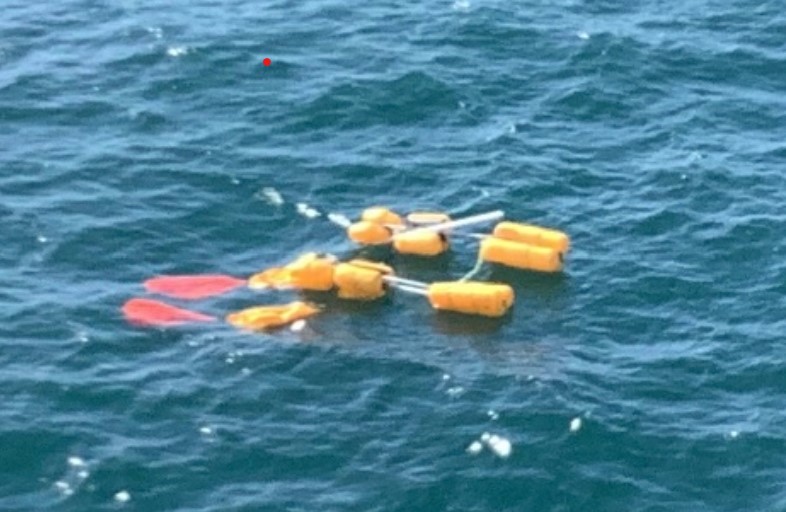
A helicopter contracted by Spanish customs hit the sea at night when descending to intercept smugglers. The sensor operator in the cabin died.

Blinded by Light, Spanish Customs AS365 Crashed During Night-time Hot Pursuit Read Post »

North Sea Helicopter Struck Sea After LOC-I on Approach During Night Shuttling

Accidents & Incidents, Airfields / Heliports / Helidecks, Helicopters, Human Factors / Performance, Offshore, Oil & Gas / IOGP / Energy, Regulation, Safety Management

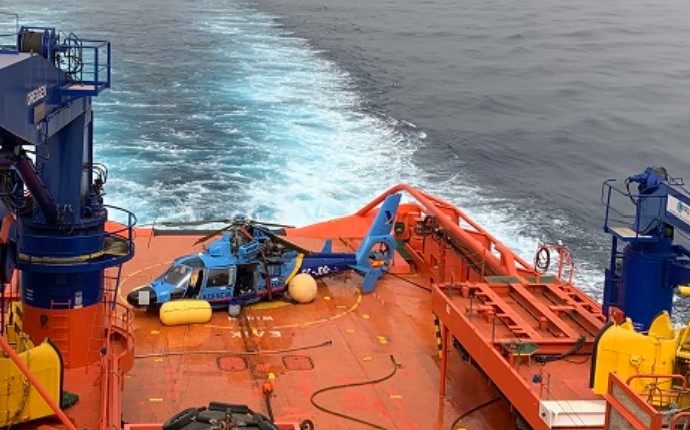
When a pilot became disorientated during a night approach, an S-76A gets into a dangerously low energy state and strikes the sea. Despite two crew, the helicopter was “operated in a manner very little different from a single pilot operation”.

North Sea Helicopter Struck Sea After LOC-I on Approach During Night Shuttling Read Post »

Review of “The impact of human factors on pilots’ safety behavior in offshore aviation – Brazil”

Accidents & Incidents, Helicopters, Human Factors / Performance, Offshore, Oil & Gas / IOGP / Energy, Regulation, Safety Culture, Safety Management

Research indicates intense commercial pressures, intolerable stress and fatigue, ‘schizophrenic’ simulator sessions and weaponizing of FDM, SMS and ‘fair culture boards’ in a “big brother reality show.” We review a recent paper published in Safety Science.

Review of “The impact of human factors on pilots’ safety behavior in offshore aviation – Brazil” Read Post »

SAR AW101 Roll-Over: Entry Into Service Involved “Persistently Elevated and Confusing Operational Risk”

Accidents & Incidents, Helicopters, Human Factors / Performance, Military / Defence, Regulation, Safety Culture, Safety Management, Special Mission Aircraft

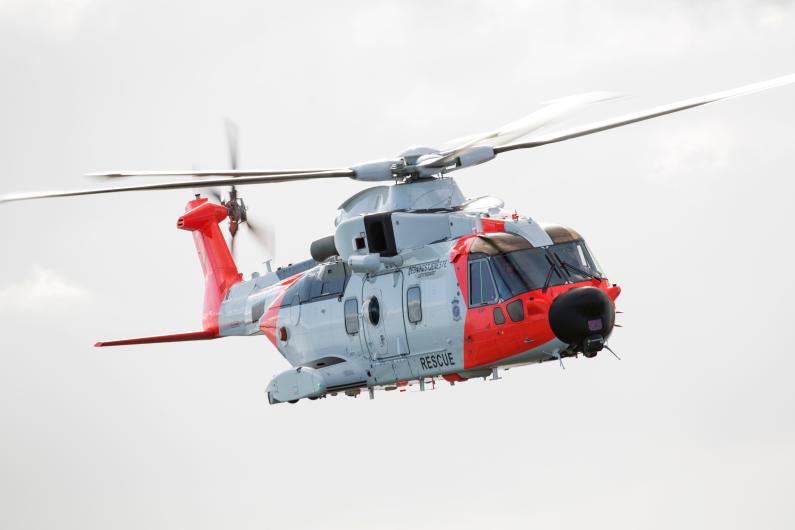
Accident investigators say a SAR AW101 rolled over “during a period of persistently elevated and confusing operational risk” as the aircraft type was being introduced to military service in Norway.

SAR AW101 Roll-Over: Entry Into Service Involved “Persistently Elevated and Confusing Operational Risk” Read Post »

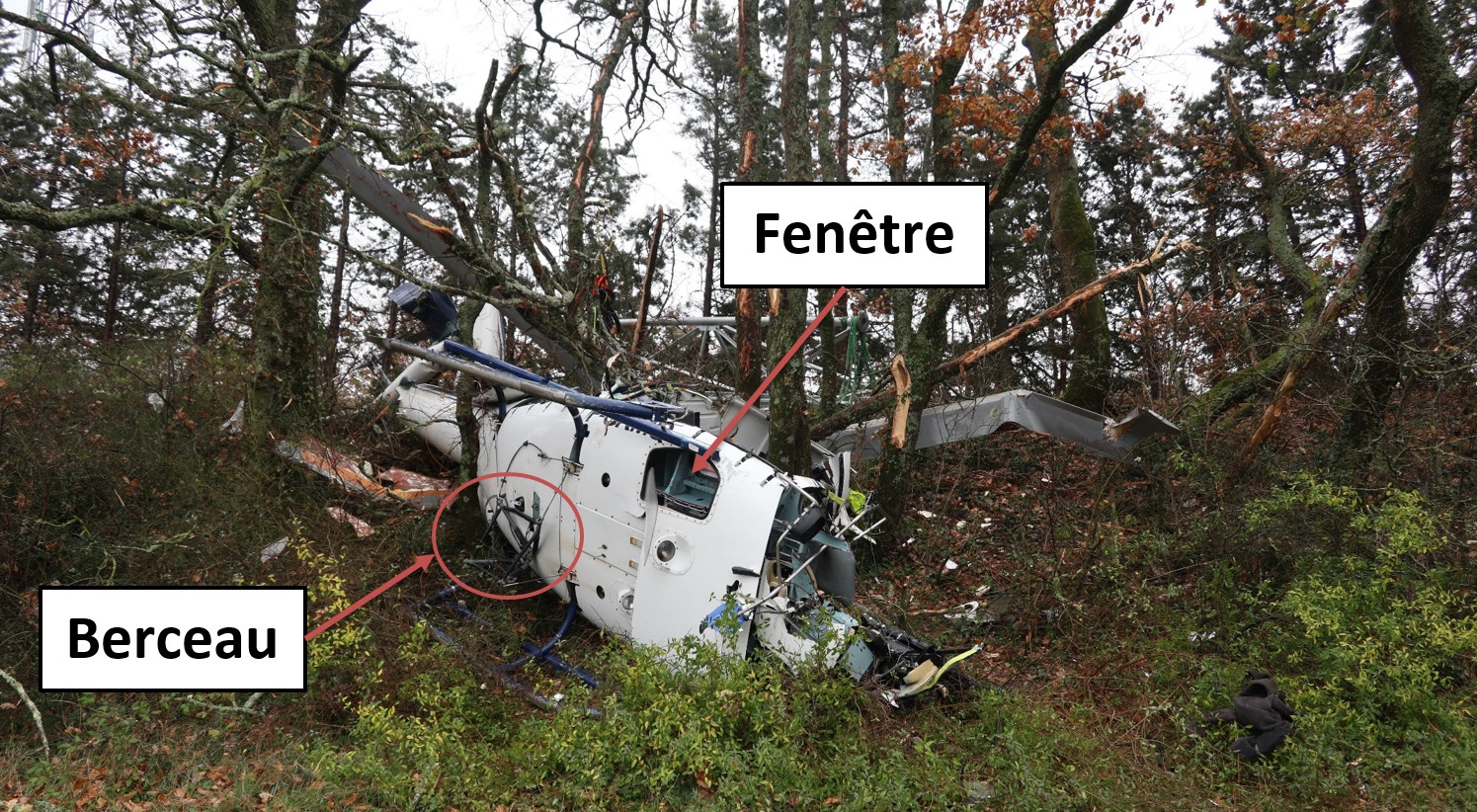
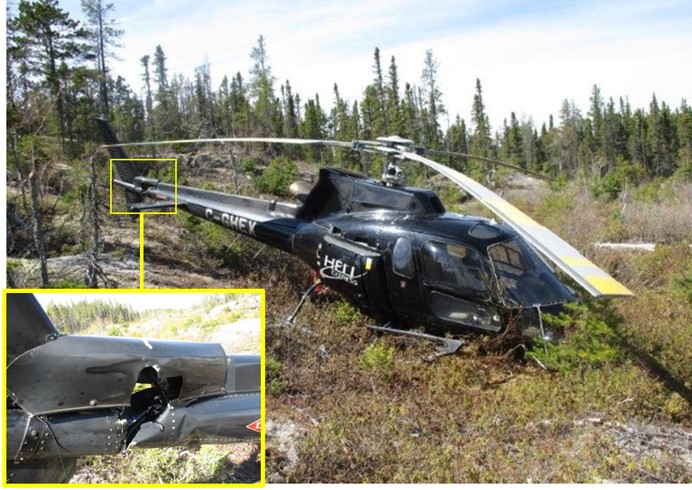
NZ Firefighting AS350 Accident: Role Equipment Design Issues

Accidents & Incidents, Design & Certification, Helicopters, Regulation, Safety Management, Special Mission Aircraft

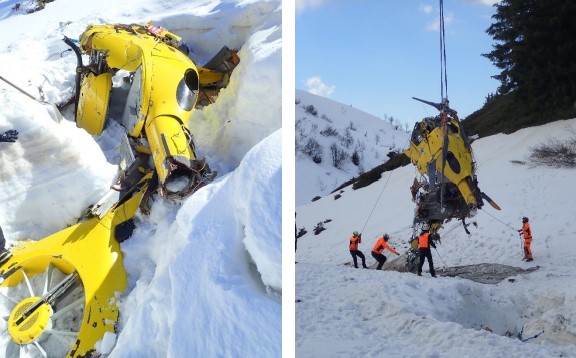
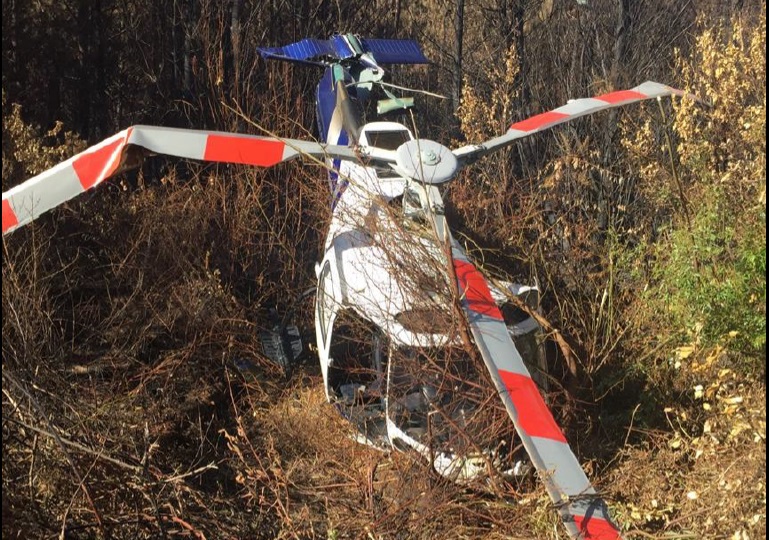
The sling for the underslung fire-fighting bucket contacted the tail rotor resulting in a loss of control. Investigators identified a vulnerability in the bucket’s design and shortcomings in promulgating essential design data to operators.

NZ Firefighting AS350 Accident: Role Equipment Design Issues Read Post »

B206B Hit by Truck in Forced Landing after 16 Months of Operation with Unairworthy Engine

Accidents & Incidents, Helicopters, Maintenance / Continuing Airworthiness / CAMOs, Regulation, Safety Culture, Safety Management

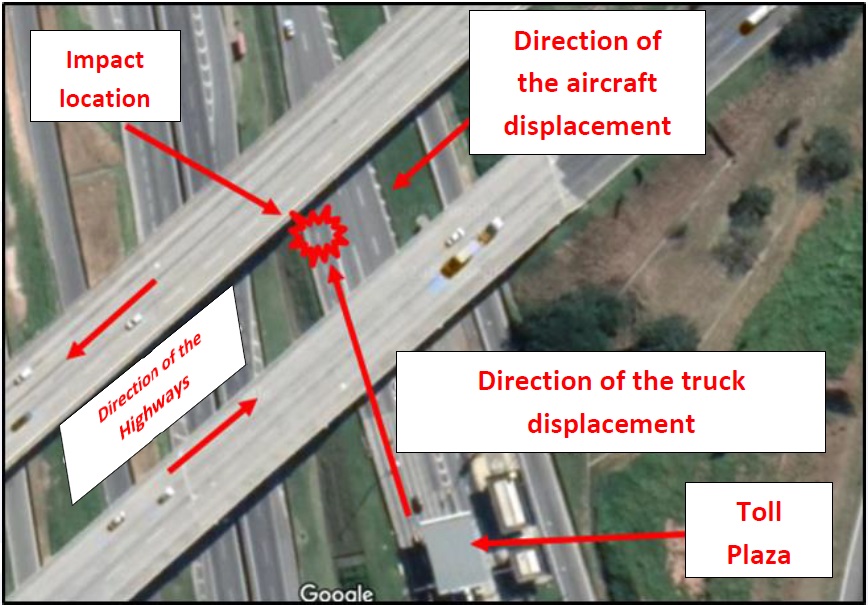
An engine overdue for overhaul was refitted and 16 months later failed. The operator was not approved for passenger transport but the company was in financial distress so the pilot and part-owner accepted this charter.

B206B Hit by Truck in Forced Landing after 16 Months of Operation with Unairworthy Engine Read Post »

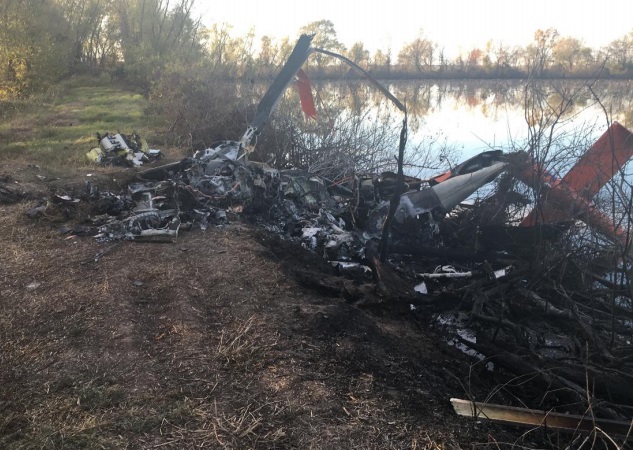
Loss of Control During HESLO Construction Task: BEA Highlight Wellbeing / Personal Readiness

Accidents & Incidents, Helicopters, Human Factors / Performance, Logistics, Regulation, Safety Culture, Safety Management, Special Mission Aircraft

BEA were unable to establish the reason for Loss of Control in the hover. The pilot was suffering from an unreported back condition and the HESLO technique required an awkward body position. BEA make recommendations about wellbeing and personal readiness.

Loss of Control During HESLO Construction Task: BEA Highlight Wellbeing / Personal Readiness Read Post »

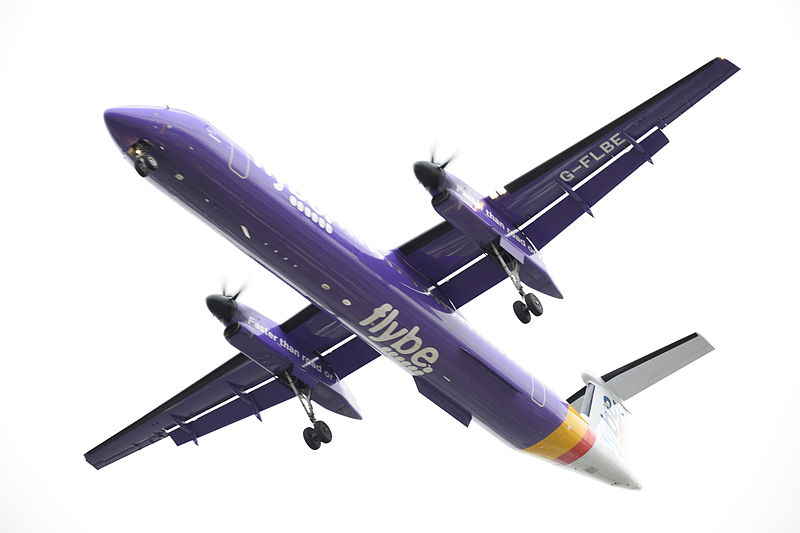
Dash 8 Q400 Control Anomalies: 1 Worn Cable and 1 Mystery

Accidents & Incidents, Design & Certification, Fixed Wing, Human Factors / Performance, Maintenance / Continuing Airworthiness / CAMOs, Regulation, Safety Management

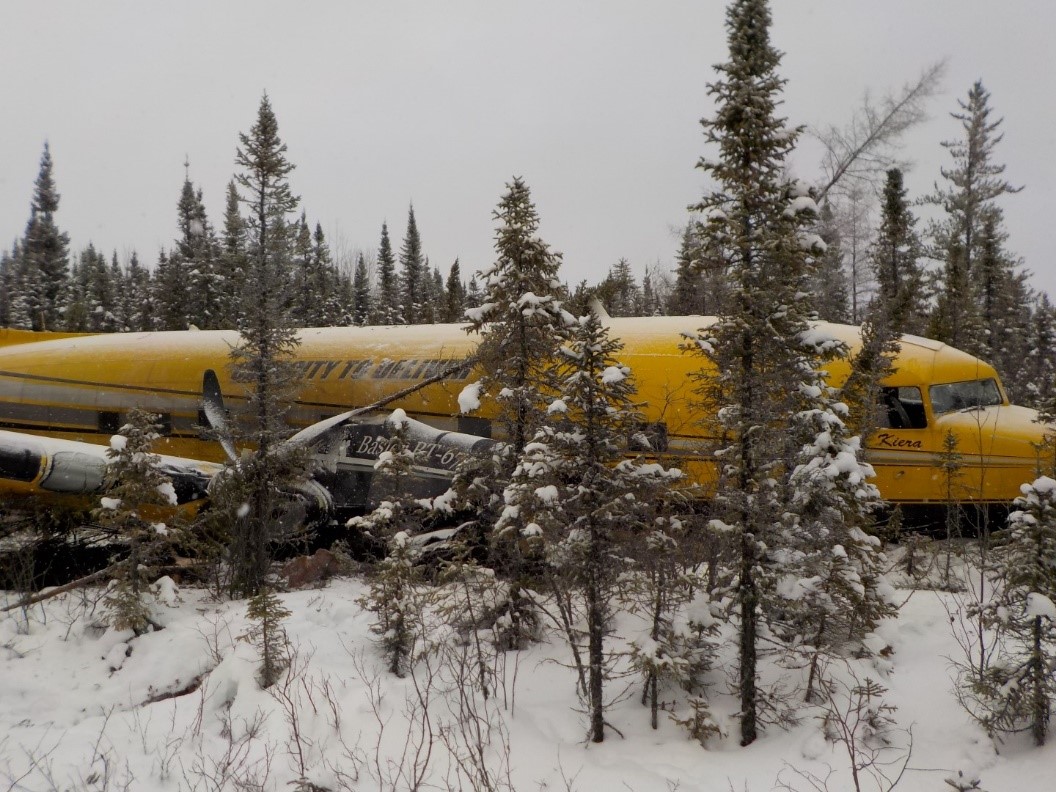
The AAIB identify weaknesses in maintenance practices relating to flying control cables, an unrelated anomaly that has occurred on a number of Q400s and a weakness in how the Q400 FDR processes data that has been solved only for US operators.

Dash 8 Q400 Control Anomalies: 1 Worn Cable and 1 Mystery Read Post »

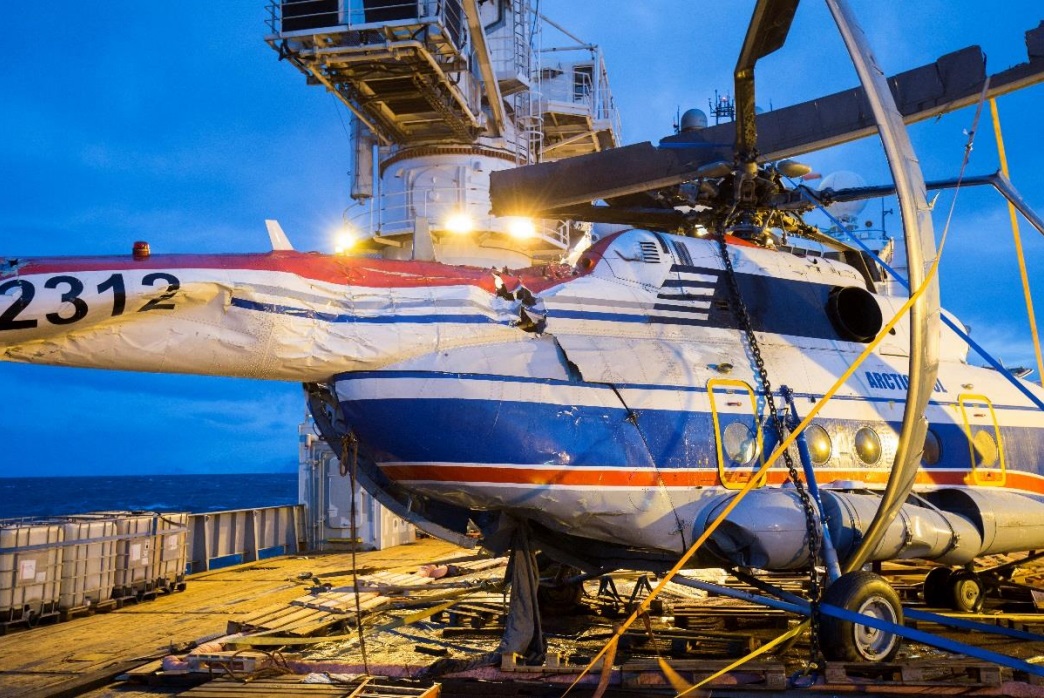
Fatal Mi-8 Loss of Control – Inflight and Water Impact off Svalbard

Accidents & Incidents, FDM / Data Recorders, Helicopters, Human Factors / Performance, Offshore, Regulation, Safety Management, Survivability / Ditching

While on a VFR approach below minima to a mine site there was a loss of visual reference and a Loss of Control – Inflight. The helicopter impacted the water but neither aircraft nor occupants were equipped for sea survival. All 8 POB likely drowned or quickly succumb to hypothermia in 2°C water.

Fatal Mi-8 Loss of Control – Inflight and Water Impact off Svalbard Read Post »

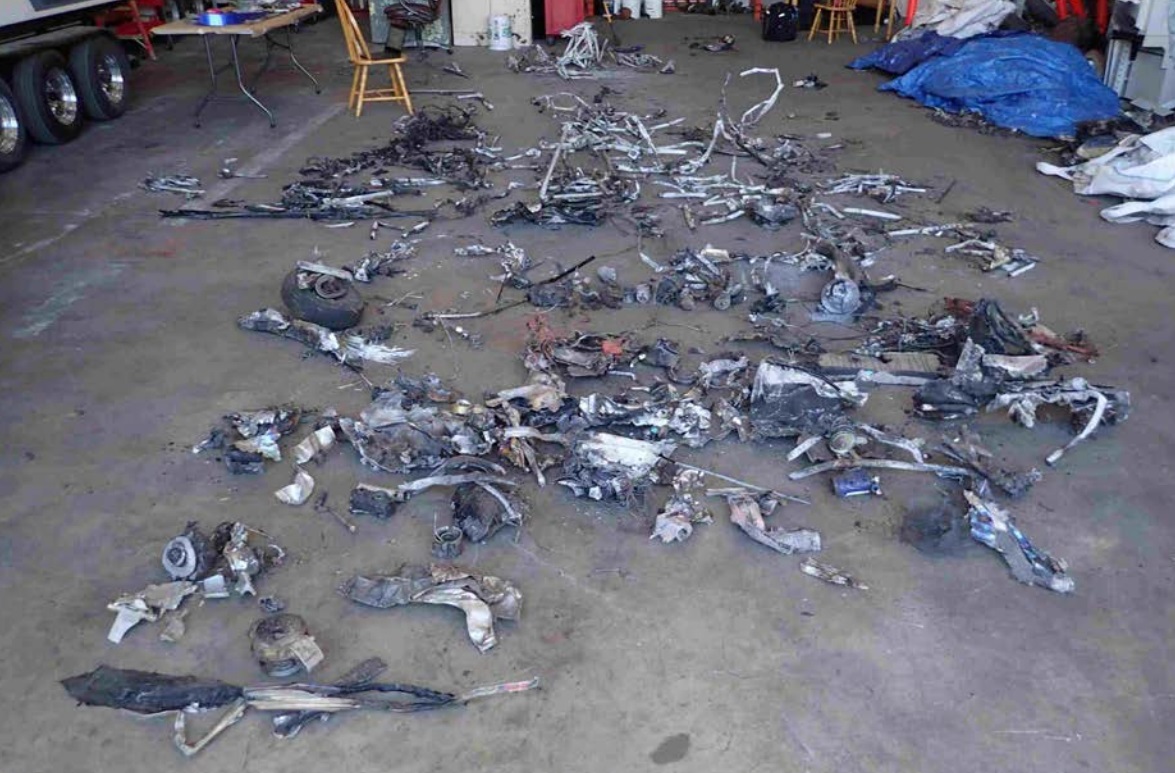
CRJ-200 Landing Incident Highlighted US Maintenance Competency Inadequacies

Accidents & Incidents, Fixed Wing, Human Factors / Performance, Maintenance / Continuing Airworthiness / CAMOs, Regulation, Safety Management

A long delayed NTSB final report points to a series of maintenance standards and competency issues into this incident. Planned rulemaking to solve these was abandoned by FAA after 5 years.

CRJ-200 Landing Incident Highlighted US Maintenance Competency Inadequacies Read Post »

Survival Flight Fatal Accident: Air Ambulance Operator’s Poor Safety Culture

Accidents & Incidents, Helicopters, Human Factors / Performance, Regulation, Safety Culture, Safety Management, Special Mission Aircraft

A poor safety culture normalised rushed departure with inadequate preparation to do an air ambulance flight two other operators had turned down. The helicopter encountered snow and struck the ground during an Inadvertent IMC escape manoeuvre. Poor FAA oversight was contributory say NTSB.

Survival Flight Fatal Accident: Air Ambulance Operator’s Poor Safety Culture Read Post »

Scroll to Top